When routine collapses, a death demands more than an investigation. An early morning in Jerusalem turned into tragedy when a Persian tiger attacked and killed Uriel Nuri, head of the carnivore department at the city’s Biblical Zoo
As the sun rose above the zoo, visitors — including children — were already touring the grounds. According to one witness, “The tiger didn’t escape through any door. It was already outside. The caretaker just entered, and the tiger jumped on him in front of everyone
What was meant to be a glimpse into the world of National Geographic became a traumatic and horrifying scene
What happened inside the tiger enclosure
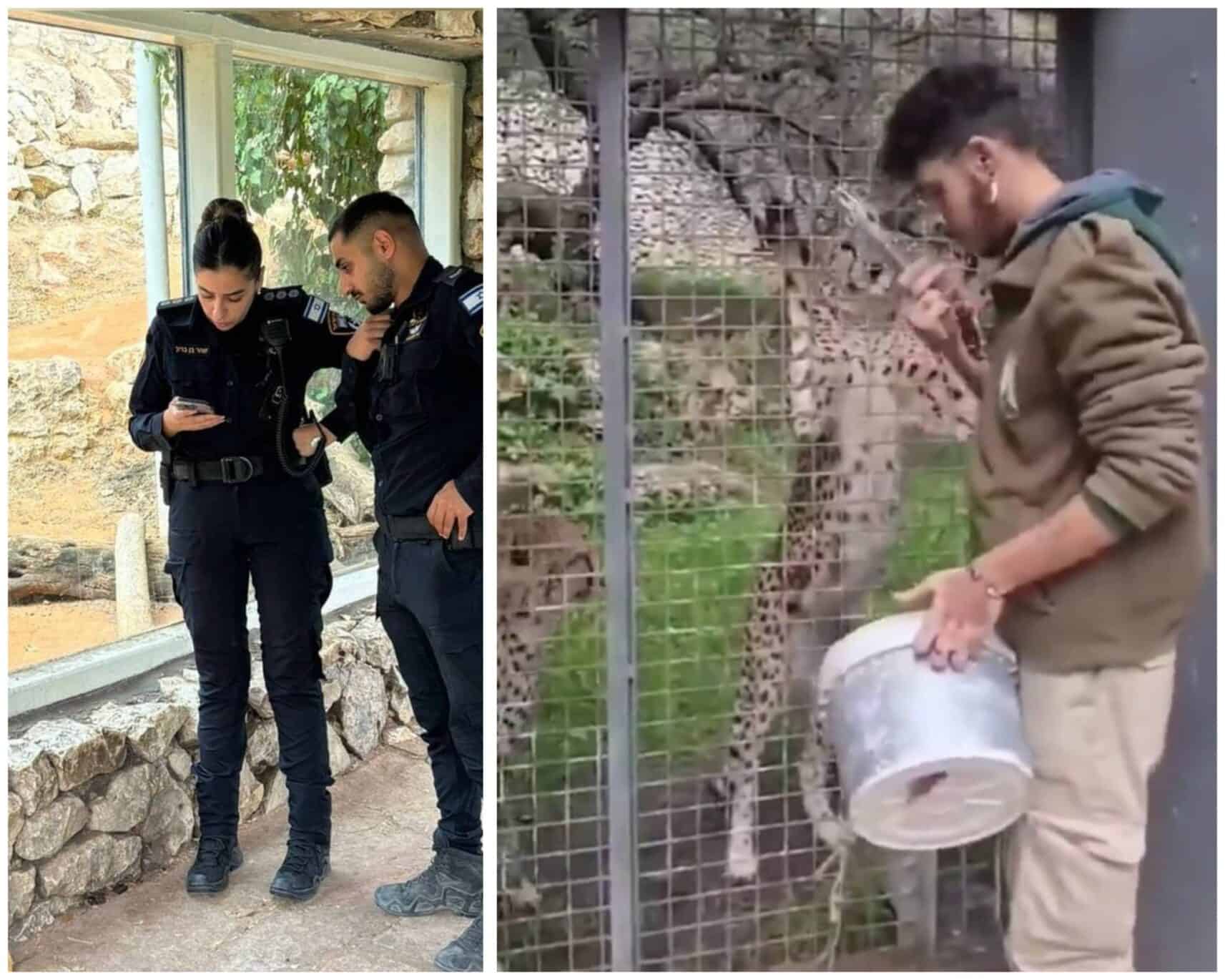
Uriel Nuri, 27, from Jerusalem, was a respected and beloved member of the zoo’s animal care team. He had entered the inner enclosure as part of an “environmental enrichment” activity — a standard procedure aimed at stimulating predator behavior in captivity
The tiger, already outside, attacked and bit his neck. Emergency responders performed CPR, but the fatal injury took his life. The zoo was immediately closed and has launched an internal investigation
Beyond procedures — was this preventable
The incident raises deeper questions. What safety assessments are made when educational tours take place so close to active predators
Is this a wake-up call? Are current protocols sufficient, or is a mindset shift needed? And what about recognizing the inherent risks embedded in routine itself
Was this a technical failure, a miscommunication, or growing complacency born from daily repetition
The tragedy echoes the shock of October 7 — when everyday life lulled us into a false sense of safety, only for reality to strike, bite, and devour
A fragile bond between man and beast
This trauma is not only personal — it’s public. What was planned as an educational day in nature ended in shock and long-lasting psychological scars for children and families
Are we truly considering the mental impact of exposing the public to apex predators so directly? Where is the line between a “safe encounter” and an active danger zone
Children enrolled in zoo summer camps had grown fond of Uriel Nuri and the animals he cared for. Each morning, they helped feed elephants, rhinos, and other creatures — unaware of how close they truly were to disaster
(Half-Alive in Gaza: Jerusalem’s Rom Breslavski Forgotten)
This is not the first time a zookeeper has been harmed by an animal they cared for. Globally, there have been attacks by elephants, bears, tigers, even whales — not from malice, but instinct
Moments where affection and routine were overpowered by primal force
Uriel Nuri devoted his life to care, compassion, and understanding animals. His death is a painful reminder of the fragile boundary between human and predator — and how sometimes, even when a man embraces, the beast remains a beast