“Open for us the gate at the closing of the gate” – Jerusalem surrenders to a day of forgiveness and reflection. Yom Kippur in Jerusalem 2025 is not just a date on the calendar, but an experience that blends community and personal memory. It is the peak of the Ten Days of Repentance in a city where history and spirit walk side by side. The greeting “Gmar Chatima Tova” hovers between synagogues and the Mahane Yehuda market.
Selichot prayers in Jerusalem synagogues
Life “between Rosh Hashanah and Yom Kippur” focuses on acts of kindness. On the light rail tracks near Mahane Yehuda, a Haredi man helps an elderly woman cross. Passersby give generously to the poor. Children in the Nachlaot neighborhood return a lost soccer ball, while pigeons in Davidka Square are fed extra bread.
Mahane Yehuda market and the pre-fast meal
In the heart of Mahane Yehuda market, the bustle rises ahead of the meal that begins and ends the fast of Yom Kippur. Again comes the eternal question: which meal is the “pre-fast” – the one before or the one after?
Vegetables for the traditional chicken soup vanish quickly – pumpkin, zucchini, celery, dill. Fish like carp and denis are wrapped for the holiday table. Jerusalem is a city where prayer and expectation mix with shopping and preparation, all converging on one day – “for on this day He shall atone for you, to cleanse you.”
End of the fast and hopes for peace in Jerusalem
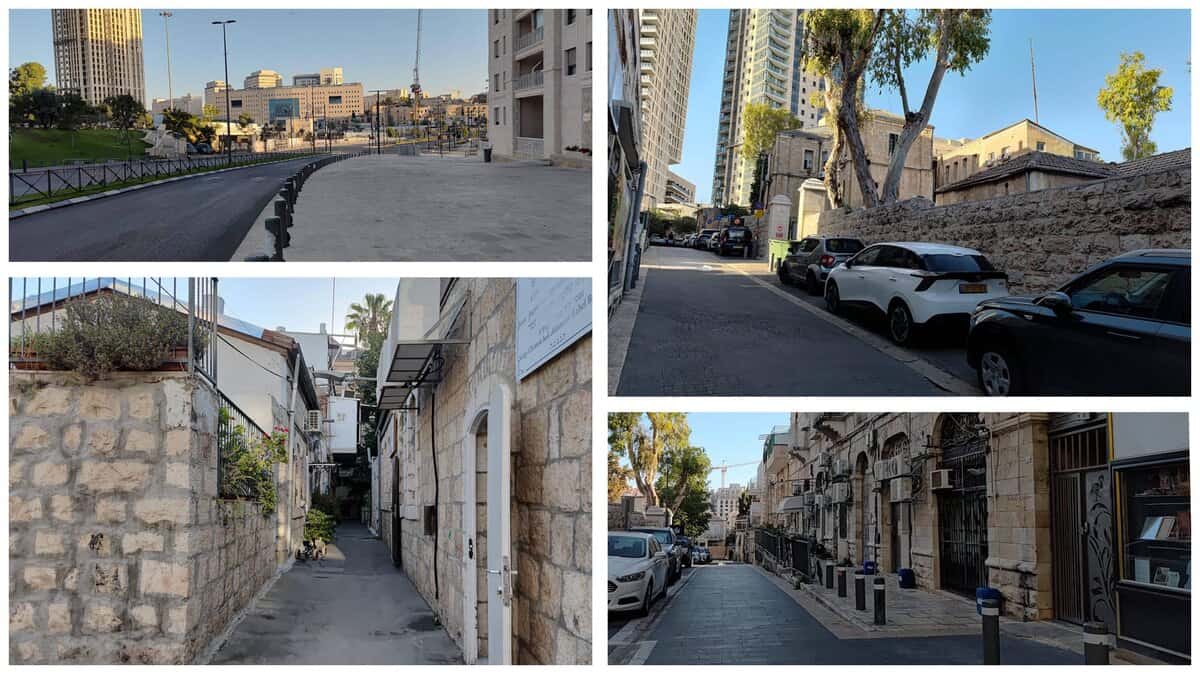
In the early mornings of these days, shofar blasts echo from synagogues. Streets such as Bezalel, Nachalat Achim, Agripas, and Yosef ben Matityahu are lined with houses of prayer. Selichot liturgy fills the air. Ashkenazi Jews join Sephardim, who began their pleas at the start of Elul, all united by the verse “Return, O Israel, unto the Lord your God.”
(Rachel’s Tomb near Jerusalem becomes center of prayers)
Mahane Yehuda remembers older times when butchers slaughtered chickens for “kaparot.” Today, with digital payments replacing coins, Chabad activists stand ready to help with symbolic redemptions.
The end of the fast is marked with watermelon, round challah, za’atar and olive oil – a Jerusalem tradition across generations. These are moments of grace and uplift after prayer and fasting, crowned by the shofar that closes the day.
In Jerusalem, a city united, the shofar blast symbolizes both end and beginning. Here one takes a deep, clean breath for a new year – alongside prayers for the hostages in Gaza, for peace in Israel, and for learning to live side by side.
“Peace be within your walls, tranquility within your palaces, for the sake of my brothers and friends.”