This week, as I walked into a juice shop at Jerusalem’s Mahane Yehuda Market to buy a bottle of water, a memory surfaced the story of Yair Horn, the released hostage, and his brother Eitan Horn, still held in Gaza, drinking polluted, murky water
And then it hit me
The destruction is not behind us
A lesson for children? A day of fasting
The Three Weeks, a period of mourning from the breach of Jerusalem’s walls to the destruction of the Temple, are meant to awaken historical awareness. This week began with the fast of the 17th of Tammuz — a convergence of Jewish calendar and national grief
At a kindergarten near the market, I overheard a little girl telling her father: “Daddy, the teacher said Mommy and Daddy can’t eat today
I didn’t know whether to laugh or cry at this ‘educational’ message passed on to a generation too young to understand
(Faith on the Mount: Jerusalem Unites for Or HaChaim)
The collapse is already here
The question is whether we’ll see it before it strikes again — not as an ancient tragedy, but as an imminent threat. Destruction does not erupt in a single day; it builds slowly, in silence and apathy
Nearly two years on, Israeli society still limps forward: soldiers in combat, civilians abandoned, 50 hostages wasting away in Gaza’s tunnels, and existential questions echoing in every conversation
The sidewalks of Jerusalem mirror a fractured nation
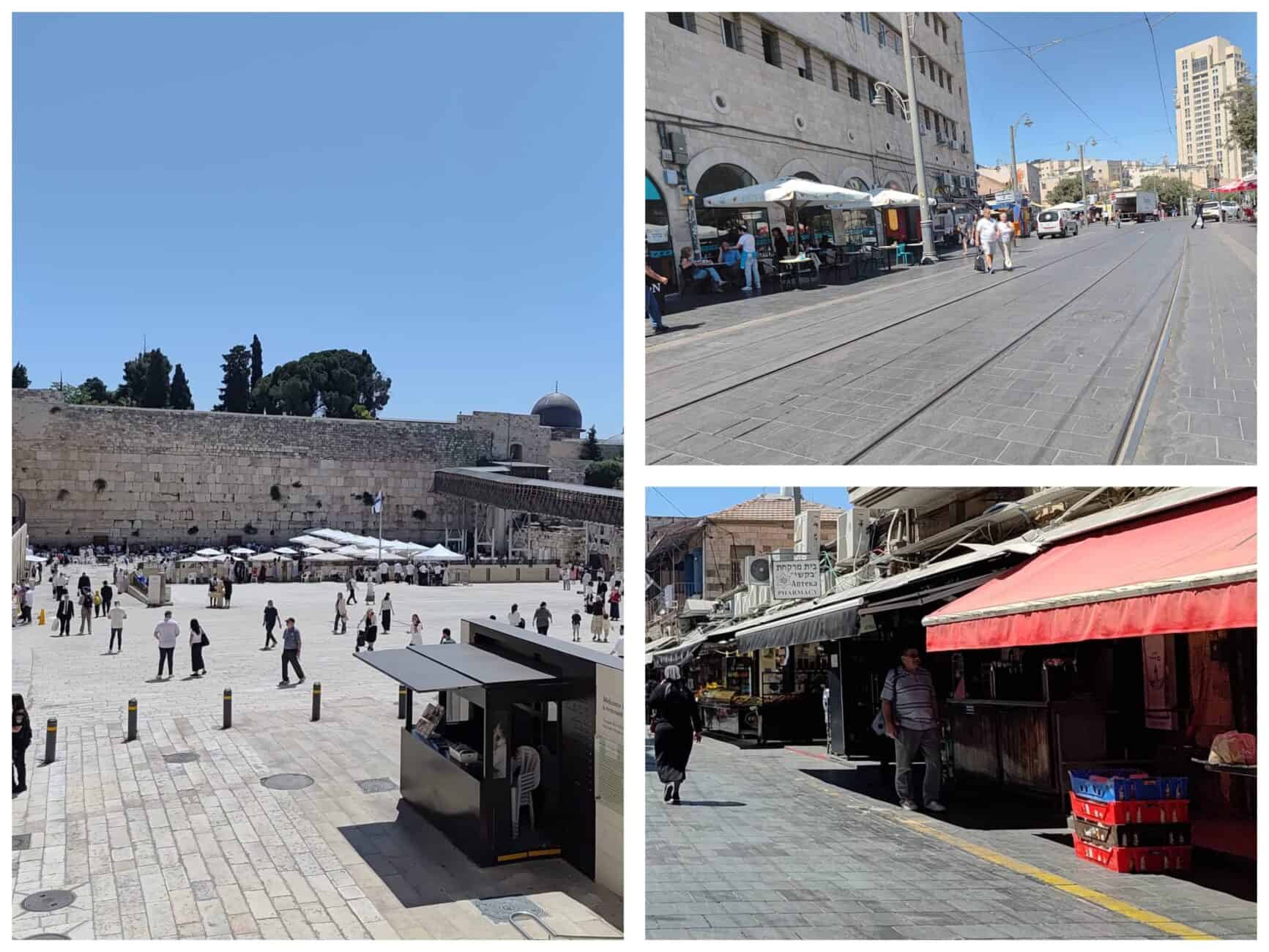
In the July heat, Mahane Yehuda Market is subdued and dim-eyed
Shoppers pass shuttered storefronts. Purchases are made without enthusiasm. People return to a routine that no longer feels natural
From the First Temple to the Second, and from there to the personal, civil, and social devastation of today — Jerusalem bows its head
This city carries memory in its stones: the breached wall, the siege, the burning scrolls, the defilement of the sacred. Joy is postponed. Celebrations are silenced. Even butcher shops remain closed
(Children at Risk in Sur Baher, Jerusalem’s Separate State)
It is precisely here — in the commercial and culinary heart of the city — between juice stands and falafel stalls, that ancient and modern days blend
Jerusalem does not forget
Its archive stores centuries of sorrow
The city mourns in many tongues — in church bells, shofars at the Western Wall, and the muezzin’s call
During the Three Weeks, every sound deepens the sense that Jerusalem’s anguish belongs to an entire people
Even when the days of mourning end, the pain will linger: the grief of bereaved families, the weeping at Mount Herzl, the cold indifference that paralyzes society
Each sidewalk in Jerusalem confronts its residents with layers of ruins — some ancient, some painfully new
This city carries, on its citizens’ backs, the mental burden of past destruction and recent collapse
The Three Weeks urge us to stop — not to rush back to life as usual, tempting though it is
We must sit with this sorrow, not just to remember what was
but to ask what could be
if we do not change
Destruction is not a closed chapter in Jewish history
It is a silent, living presence, waiting to be acknowledged — and healed