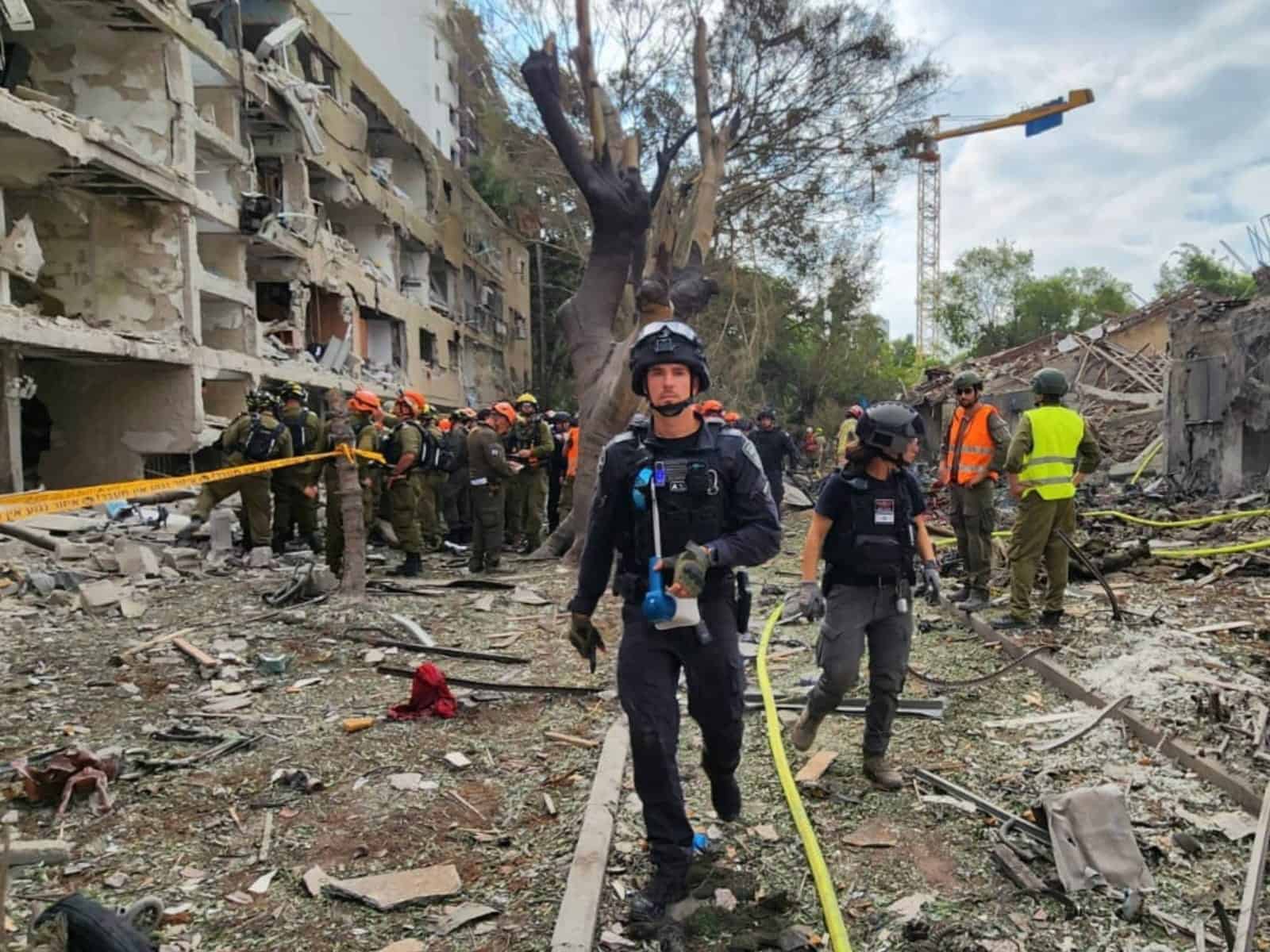
One day after the ceasefire with Iran was declared, the damage across Israel is becoming clear. From the central region to the far north, missile strikes exposed a dangerous pattern: buildings constructed decades ago collapsed easily, while newer ones remained intact. This contrast has sparked a new kind of national discussion – one that begins not in Tel Aviv or Haifa, but in Jerusalem
A City That Wasn’t Hit – But Will Lead
Jerusalem did not suffer a direct missile impact, but urban planners and local officials are treating this moment as a turning point
"There's a real opportunity here," says Michal Rosenblum, a veteran municipal planner
"We’re not waiting for tragedy to strike. We’re using this moment – this national vulnerability – to lead the way in structural renewal, with better planning, faster approval, and stronger buildings
(Blue, White and Red: A Night of Hope in Jerusalem)
According to internal discussions at city hall, Jerusalem is now preparing a new wave of regulatory reforms designed to accelerate urban renewal, including updated TAMA 38 mechanisms and streamlined approvals for demolition and rebuilding in older neighborhoods
Old vs. New: A Structural Wake-Up Call
Engineers who assessed missile damage across Israel noted a recurring theme
buildings from the 1950s to 1970s suffered catastrophic collapse, while reinforced or post-2000 constructions held strong – even near direct impacts
"The lesson is obvious," says Shlomo Zucker, a structural engineer based in Jerusalem
"For years, programs like TAMA 38 or rezoning for better density sat in bureaucratic limbo. That can’t continue. We’re not talking about real estate anymore – we’re talking about saving lives
A Quiet Trauma, and a National Shift
Even in places untouched by the blasts, residents are reporting a psychological toll
“Our building didn’t collapse – but something inside us did,” wrote Uri, a Jerusalem father of three, in a viral Facebook post.
“The kids still ask every night if someone will shoot at us. When I hear about reinforcement projects now, I don’t see profit – I see stability
(Jerusalem Returns to Normal: Coffee and Pastry Reclaim Jaffa)
And so, ironically, the strongest city may become the one to lead the recovery. Not because it fell – but because it stood tall, and is ready to help others do the same