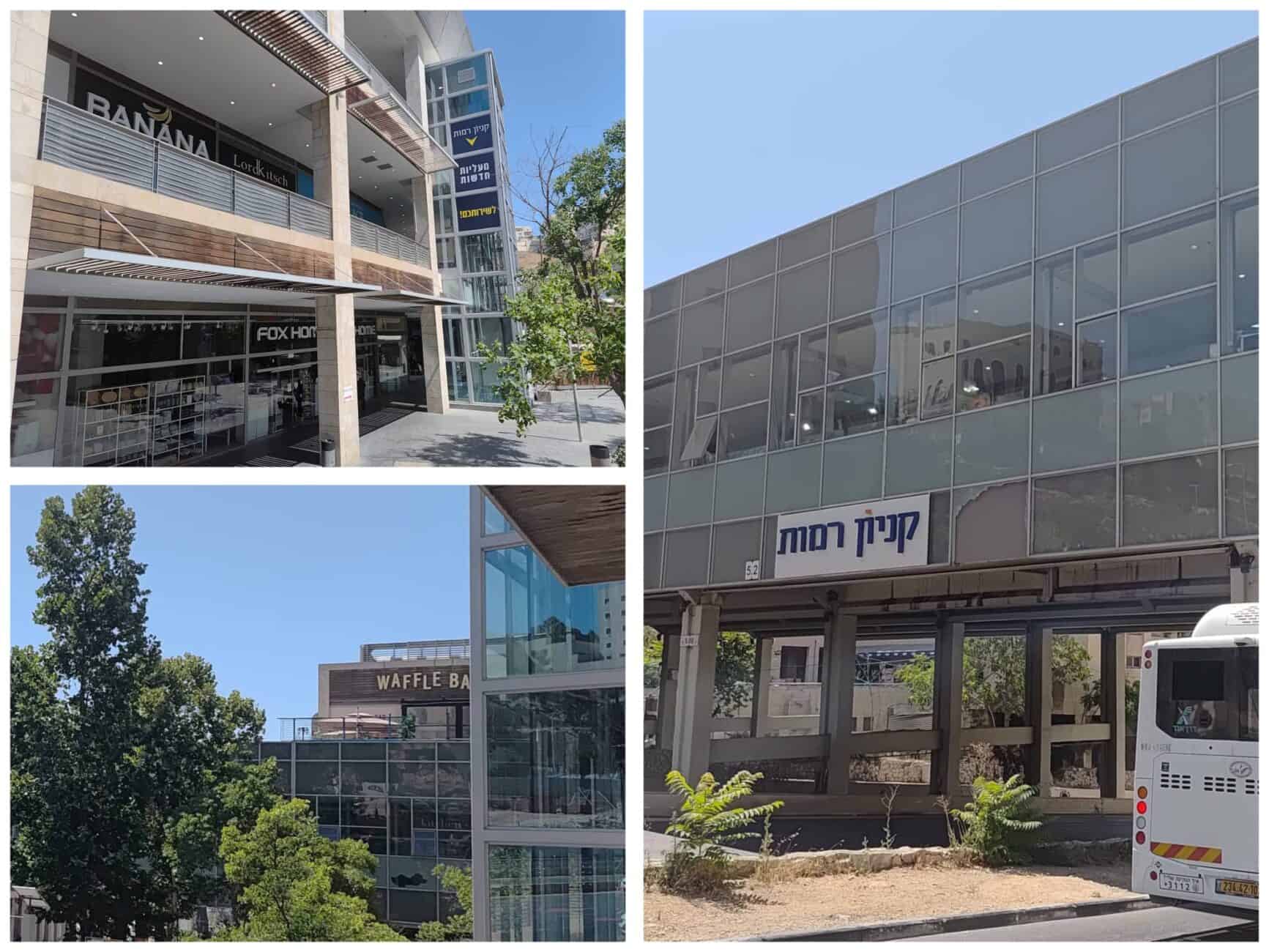
At Ramot Mall in northern Jerusalem, the war feels distant — almost invisible. While Iran fires missiles and sirens echo across the country, this shopping center quietly hums with ultra-Orthodox daily life. Toddlers in matching dresses lick melting rainbow ice pops, mothers push strollers past candy stores, and men in black hats speak into kosher phones near the pharmacy and Rav-Kav machines
This mall is one of the few public consumer spaces in Jerusalem tailored entirely to the ultra-Orthodox community — from clothing styles to signage to spiritual messaging. It’s a world of modesty, order, and halachic observance, seemingly immune to outside chaos
Between Emergency and Emunah
As the escalators glide and cafés serve calm breakfasts, a question arises
Is this a bubble of faith or a form of detachment
(Israel Strikes Iran, Jerusalem Synagogues Shut Down)
The ultra-Orthodox in Ramot process emergencies differently. Many carry no smartphones. They don’t follow Telegram or Twitter updates. Information flows slowly — via yeshivas, rabbis, or word of mouth
This morning, while waiting in line at Super-Pharm, a woman asked: “Was there anything today
She wasn’t being ironic. For many here, a prayer book replaces a phone. Psalms replace alerts
One local man, Yaakov S., 42, offered an answer to the fear outside: “They don’t target Arabs, so we’re not panicking. Someone else runs the world. Iran, Gaza — it’s out of our hands. Why be afraid
Faith Over Fear
There’s a stark gap between the Israeli government’s focus on early-warning apps and fortified shelters — and this neighborhood, where belief takes precedence
Ramot Mall has become a living study in contrast
Between technology and tradition
Between sirens and serenity
Between war and the whispered pages of Tehillim