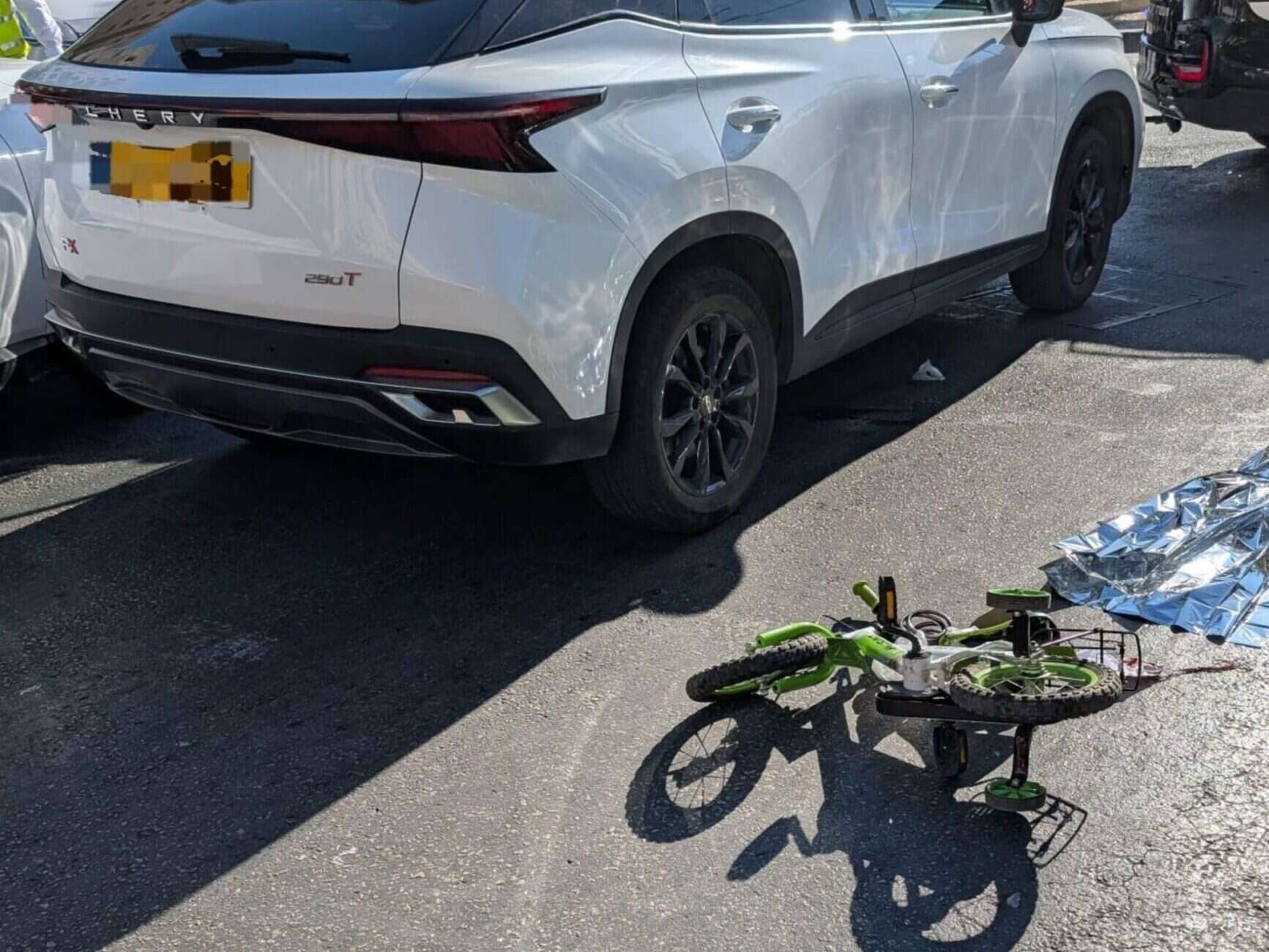
On Petah Tikva Street in Jerusalem, near the main intersection of the Romema neighborhood, an 8-year-old boy lost his life in a tragic traffic accident. He was riding his bicycle when he was struck by a passing vehicle – in what was otherwise a normal afternoon. The overturned bicycle left at the scene became, within minutes, the image of every Jerusalem parent’s worst nightmare during summer vacation
Summer for Parents: Daily Anxiety
As schools close for a two-month break, thousands of children roam sidewalks, streets, and parking lots. Some on foot, others on bicycles, scooters, or simply driven by curiosity
For parents, it's a time of ongoing stress: how can you maintain a daily routine when there’s no routine for your children
"Even when my kid is 12, I’m still nervous," says a father from the Shmuel HaNavi area. "You’re not scared of your child – you’re scared of the road. You can’t just lock them indoors all day. That’s the real trap
(If the Pomeranian in Jerusalem had never returned)
Drivers Are Not Immune
Parents aren’t the only ones living in fear. Many drivers openly admit they dread entering certain neighborhoods in Jerusalem during July and August
Narrow streets, large numbers of children outside, and a lack of clear signage all contribute to dangerous blind spots – where any turn can become a disaster
"You never know when a kid will jump out – from a courtyard, a grocery store, or the sidewalk," a delivery driver recently wrote online. "During the summer break, it’s like there are no rules
Study: Risk to Children Triples During Summer
A report by Israel’s National Road Safety Authority reveals that during July and August, the rate of children injured in traffic accidents is significantly higher compared to the school year
The reasons: reduced adult supervision, increased child mobility, and heavier traffic during daytime hours
(Jerusalem Summer Returns with Kites, Music and Hope)
Among children aged 6–14, the most common injuries occur while riding bicycles – just like the case in Romema
And the location is usually familiar: near the home, next to a grocery store, near a bus stop or crosswalk – places that feel safe, but are in fact deceptively dangerous
The Solution Isn’t Technological – It’s Human
There’s no magic fix
Signs can be installed, awareness campaigns launched – but summer is already here, and the children are already outside
The only tool we have is ourselves
To stop
To slow down
To remember: if the street looks quiet – it might not be
Because even if we don’t see a child, they might see us – and we must think on their behalf