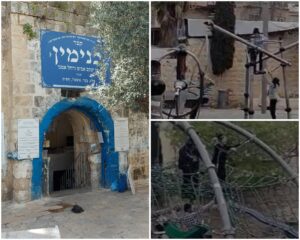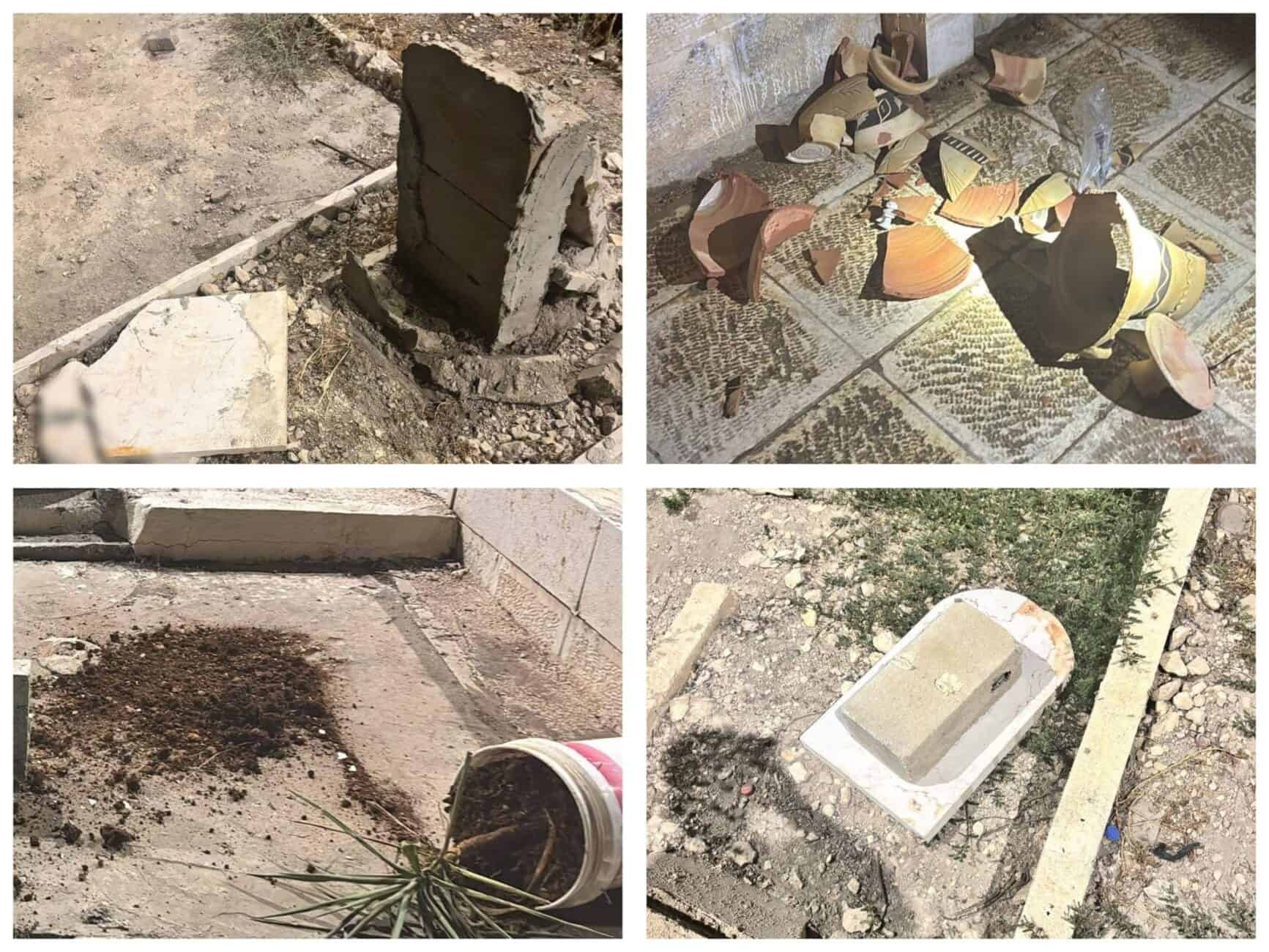
In the heart of Jerusalem, near the ancient walls of the Old City, a disturbing incident unfolded: two 14-year-old boys were arrested on suspicion of desecrating graves in a local cemetery. Broken headstones, shattered pottery, and overturned plants were found scattered across the sacred site — a visual echo of deeper fractures within the city’s complex fabric
Caught in the Act
The incident was first spotted by the Jerusalem Police control center (Mabat 2000), whose observers identified the boys in the act of vandalism. Officers from the David District and Border Police were dispatched immediately, locating the suspects on site and arresting them
The teenagers were taken in for questioning, and the police announced their intention to pursue charges. While the boys are minors, the authorities emphasized the seriousness of the offense, given its symbolic and emotional weight
A City Always on Edge
Jerusalem is more than a city — it is a living symbol. Every stone, every site, carries religious, historical, and emotional meaning. When an act of vandalism occurs near the Old City, it risks being interpreted not just as mischief but as a provocation or even sacrilege
(Faith on the Mount: Jerusalem Unites for Or HaChaim)
In a place where tension lies just beneath the surface, even a spontaneous act by youth can be misread, reframed, and magnified into something far more explosive. The proximity to holy sites only intensifies the potential for escalation, especially when graves — universal symbols of memory and dignity — are involved
The Unwritten Codes of Shared Space
In Jerusalem, where multiple communities coexist with deep mutual suspicion, unspoken codes maintain the fragile order. A cemetery is not just a resting place for the dead — it is a mirror of collective identity. Breaking a gravestone, even unintentionally, is often perceived as breaking trust, honor, or peace
And when that fracture is caused by children, the question becomes even more urgent: are these the actions of misguided youth, or signs of a generation shaped by conflict