The Jerusalem derby between the right-wing team from Jerusalem, Beitar Jerusalem, and the moderate team from Jerusalem, Hapoel Jerusalem, ended in a 1:1 draw that delivered emotion, intensity and atmosphere. The match itself was open and entertaining, with chances at both ends and the stands at Teddy Stadium fully alive. Yet the defining moment of the evening arrived not during the 90 minutes, but before kickoff.
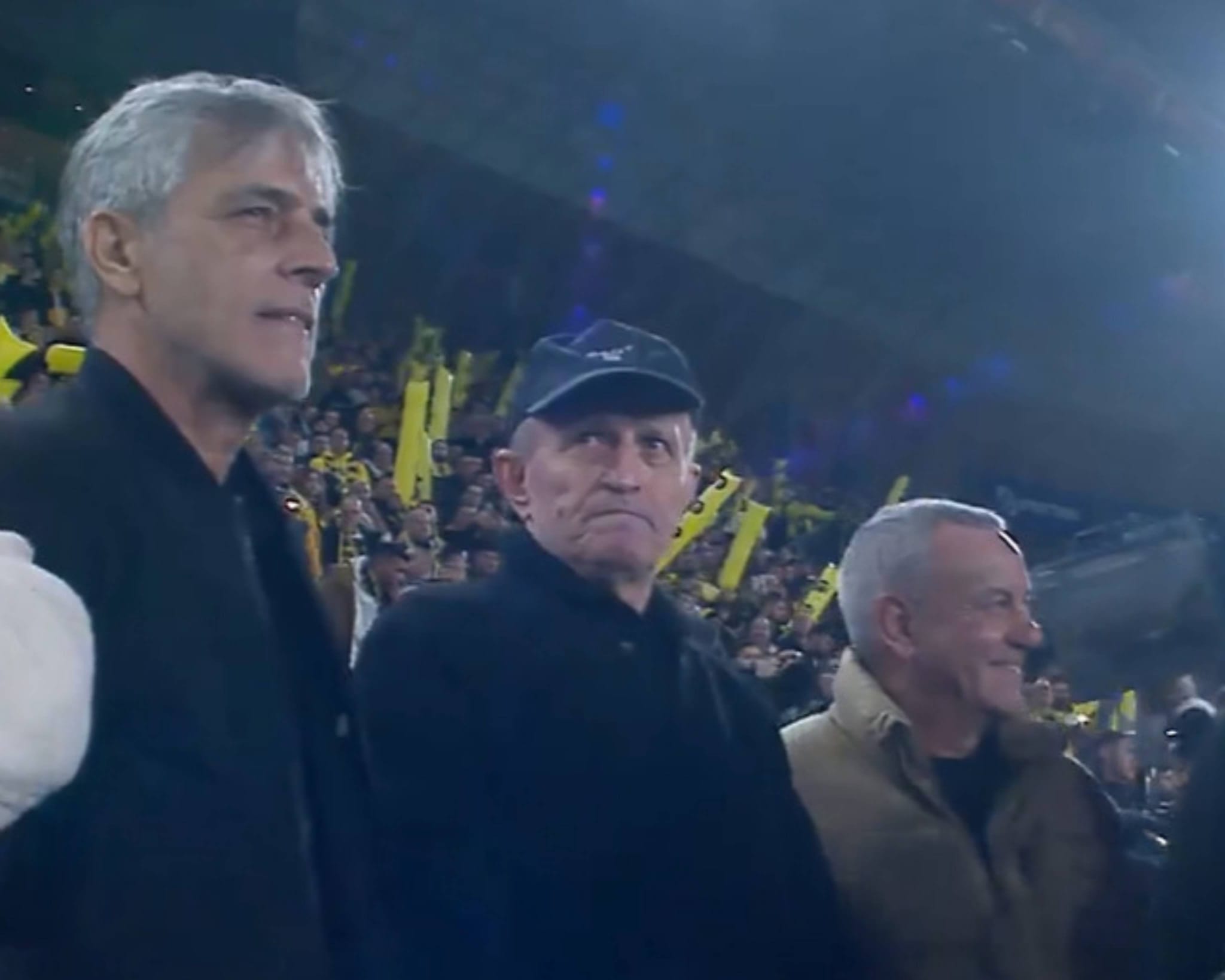
Before the match, Beitar Jerusalem held a ceremony honoring the heroes of its historic 1987 championship. Club legends returned to the pitch to loud applause and visible emotion. It was a powerful reminder of what Beitar Jerusalem once represented at the height of Israeli football – dominant, confident and unmistakably elite.
What Remains of Beitar Jerusalem’s Glory Years?
Those were different times. Beitar Jerusalem’s golden era was built around iconic figures such as Uri Malmilian and Eli Ohana, with the late Dror Kashtan on the touchline, Yossi Mizrahi in goal, Udi Ashash sweeping the box and the unique presence of Momo Shirazi.
The ceremony was moving, but it also underlined the contrast between that ruthless, title winning team and the current version, which struggled to take control even in a home derby.
That contrast became sharper given the context. Less than a week earlier, Hapoel Jerusalem had lost at Teddy Stadium to bottom placed Bnei Reineh. In the derby, however, they looked organized, confident and dangerous, creating more clear chances and leaving with the feeling that victory had slipped away.
To Beitar Jerusalem’s credit, the club is no longer defined by instability. Owner Barak Abramov removed the team from the chaos of the Moshe Hogeg era and restored order, with Beitar Jerusalem currently sitting second in the table, ahead of Maccabi Tel Aviv. On the surface, that represents progress.
But stability is not the same as restoration. If Beitar Jerusalem wants to bridge the gap between nostalgia and reality, ceremonies alone will not be enough. The club’s historic success was built on football minds deeply connected to its identity – figures like Uri Malmilian and Eli Ohana – not just as symbols, but as influential decision makers.
For now, the one constant that still echoes Beitar Jerusalem’s glory years is the crowd. Teddy Stadium was full, loud and emotionally invested. It is a fanbase worthy of silverware. Until results follow, nostalgia remains both a comfort and a reminder of how far the right-wing team from Jerusalem still has to go.