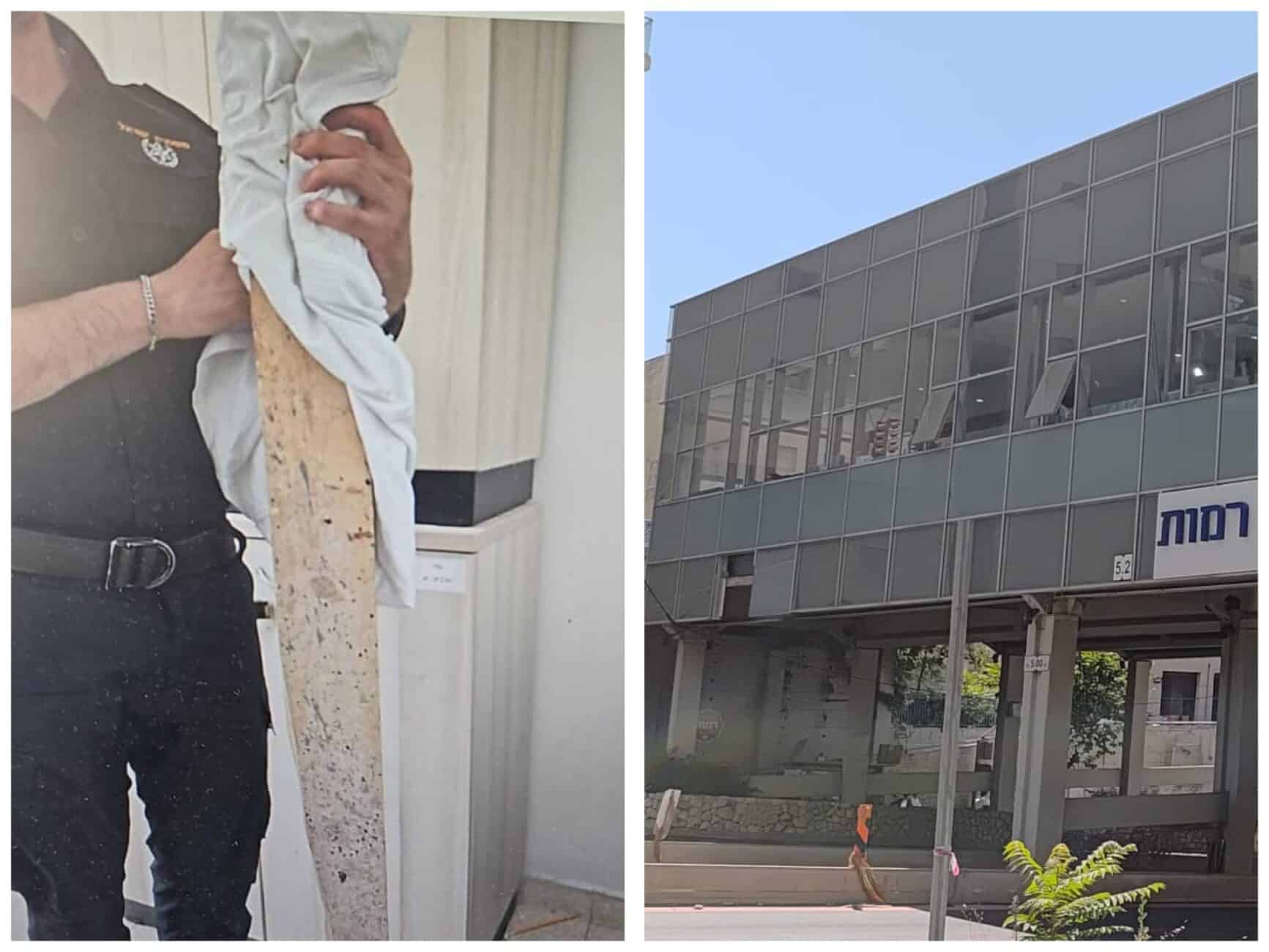
Ramot in Jerusalem is usually described as a stronghold of the ultra-Orthodox community — marked by tight social boundaries and internal order. But the violent incident that occurred last week, where a teenager attacked a passerby with a nail-studded plank, pepper spray, and a knife, has shaken not just the family involved — but the very sense of routine in the neighborhood
According to the investigation, the victim was walking with his sister and her partner on a quiet street in Ramot. A group of young men approached, whistled at the sister, and the situation quickly escalated. The victim tried to ask what they wanted — and was instead punched and kicked, sprayed with pepper gas, and struck repeatedly in the head with the plank. At the peak of the attack, one of the assailants pulled out a knife and threatened to kill him
(Ramot Mall in Jerusalem: Ultra-Orthodox Routine Amid War)
The suspect, an 18-year-old resident of Jerusalem, was arrested shortly afterward. In recent days, an indictment was filed against him for aggravated assault, possession of a knife, and issuing death threats
No Boundaries – Even in Ramot
Ramot is one of the largest neighborhoods in Jerusalem, home to tens of thousands from various Haredi sectors — Lithuanian, Hasidic, and Sephardic. In past decades, the area was known for strong communal discipline, clearly defined norms, and minimal outside involvement. But today, signs of erosion are evident: more cases of violence, youth dominance in the streets, and a breakdown in what was once trusted internal supervision
In places where "shalom bayit" — peace in the home — is culturally sacred, eruptions like this reveal a deeper unrest. Makeshift weapons, public danger, and growing fear among innocent families signal a serious warning: traditional codes alone are no longer enough
And the question remains: how many more cases will bubble under the surface — before someone from within finally stands up and says, enough