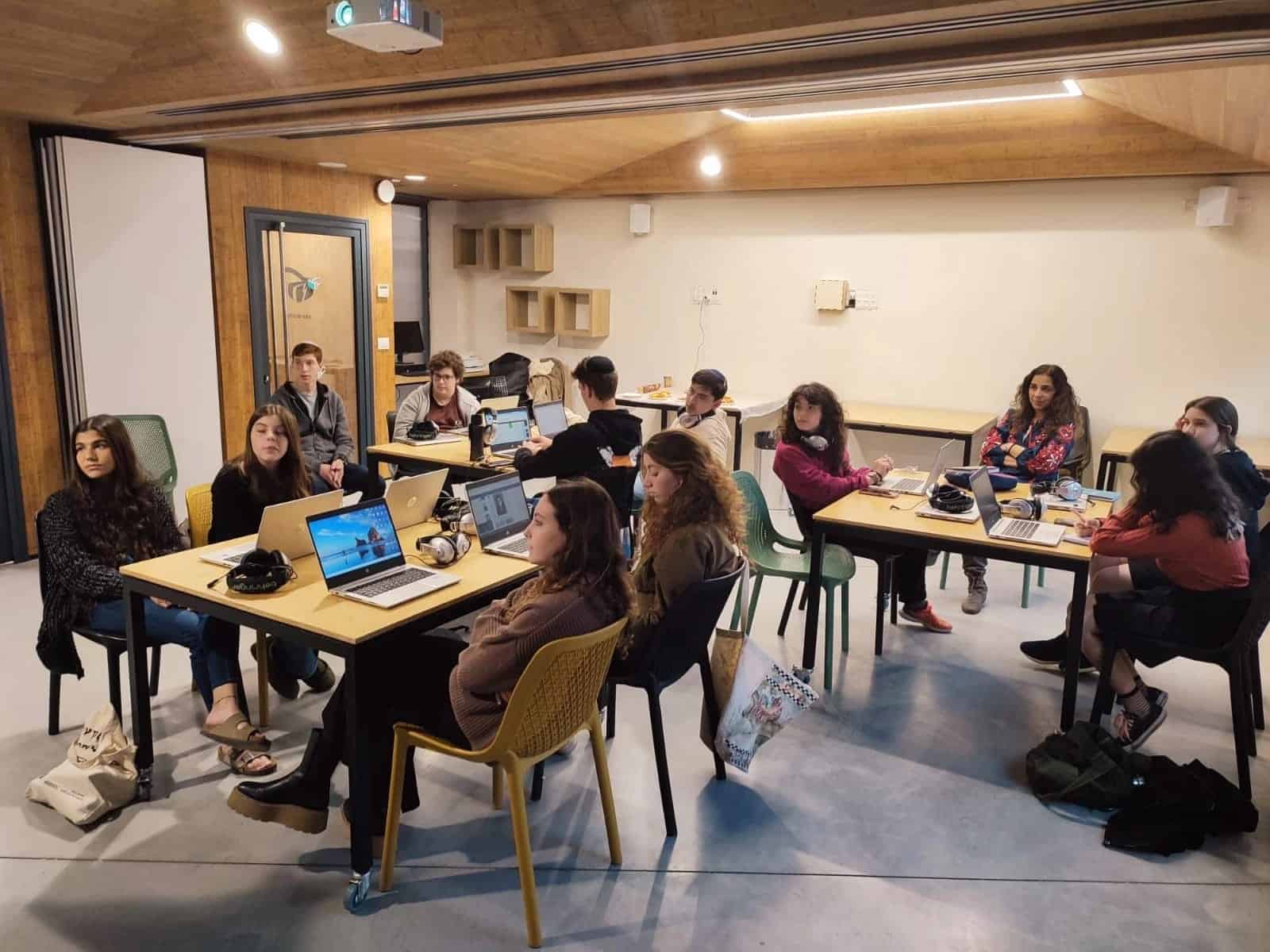
This past Thursday, June 5, the Jerusalem Municipality hosted a city-wide teen job fair at its innovation and entrepreneurship hub, JLM SPARK. The event featured dozens of booths representing local businesses — from cafes and clothing shops to summer camps and catering services — aiming to connect employers with teens seeking part-time or summer work
The initiative was driven by the city’s Department for Youth and the SPARK innovation center, with support from youth centers across the city. Participants also encountered information stands about workers’ rights, summer activities, and programs encouraging social and economic responsibility. It’s a commendable attempt to promote early independence, economic literacy, and social engagement
But zooming out, a deeper concern emerges. While the city is trying to connect teens to jobs, it may soon face a shortage of such workers altogether. Jerusalem’s secular and traditional youth populations are shrinking. Many families are relocating in search of more inclusive educational, professional, or cultural environments. At the same time, the ultra-Orthodox community — which prioritizes religious study over workforce participation — is growing steadily. National debates over military conscription, labor contribution, and the future of the Israeli economy are intensifying
Will there be teens left to benefit from these fairs in another ten years? If current patterns persist, Thursday’s job fair might end up symbolizing not just an effort to empower youth — but a preview of a demographic vacuum