A person wants to wake up in the morning, work and return home with a salary. Yet in Jerusalem, even this simple routine can pass through borders, permits, checkpoints and security restrictions. On one side are Palestinians from the West Bank seeking employment. On the other are Israeli employers, including Jews, who need workers.
When entry into Israel is prohibited, the economic need does not disappear. It is pushed into hidden spaces. Workers may remain close to potential jobs, sleeping in side rooms, warehouses, construction sites or buildings never intended for accommodation. The employer gains an available workforce, while the worker gains a chance to support a family. Both, however, operate against a legal and security system designed to prevent precisely this connection.
Why can the need to earn a living become stronger than the ban?
A livelihood is not an abstract idea. It means food, rent, debts and children waiting at home. When the legal route to employment is blocked, the economic pressure continues. A worker without legal status is especially vulnerable. He may receive lower wages, remain without basic rights and become completely dependent on the person employing or housing him.
The employer is not always acting out of a political position. Sometimes it is a contractor, business owner or private individual who simply needs available workers. But the meeting between that need and the legal prohibition creates an economy of concealment, in which both sides know that their arrangement could end with an arrest, a fine or an investigation.
Where has a similar conflict emerged between the state and the labor market?
Throughout history, states have restricted the movement of people while continuing to benefit from their labor. In apartheid-era South Africa, pass laws were used to control the movement of Black workers into cities, even as mines and urban industries relied on their labor.
In postwar West Germany, millions of foreign workers were brought in through regulated programs intended to address labor shortages. These cases are not identical to the reality in Jerusalem, but they illustrate a recurring principle: the collective imposes borders, while the economy continues to demand workers. The gap between the two often produces temporary arrangements that can become an enduring reality.
What was discovered inside the school in Jerusalem’s Beit Safafa neighborhood?
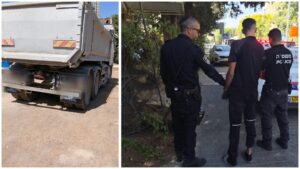
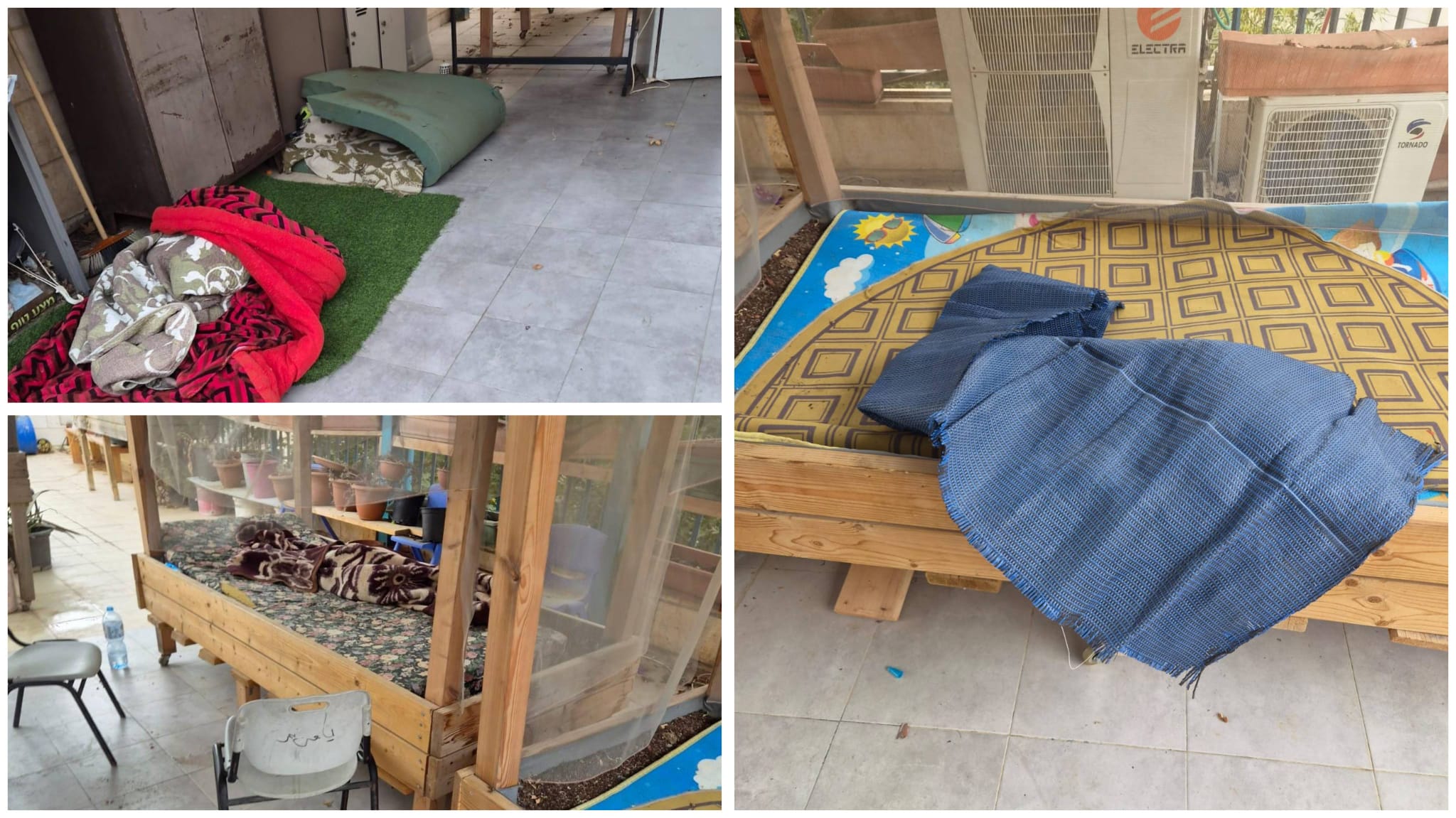
This tension was illustrated in Beit Safafa, where officers from the Moriah police station raided a school building and found 17 Palestinians staying in Israel without permits. According to police, parts of the building had been turned into a makeshift sleeping compound with rooms, beds and showers.
The operation followed complaints from parents about unknown people inside the building after activity hours, while summer camps and children’s programs were taking place at the school. The suspects were arrested and taken for questioning. The police statement did not specify where they had worked, who employed them or who helped them reach the building.
The Jerusalem District Police stated: “The Israel Police views any trespassing and illegal stay with great severity, particularly in places intended for children and teenagers, and will continue to act firmly and with zero tolerance against lawbreakers in order to protect public safety and security.”
The law draws a clear boundary. The need to earn a living pulls in the opposite direction. In the space between them, people hide while trying to carry out one of the most basic human tasks: working and bringing money home.