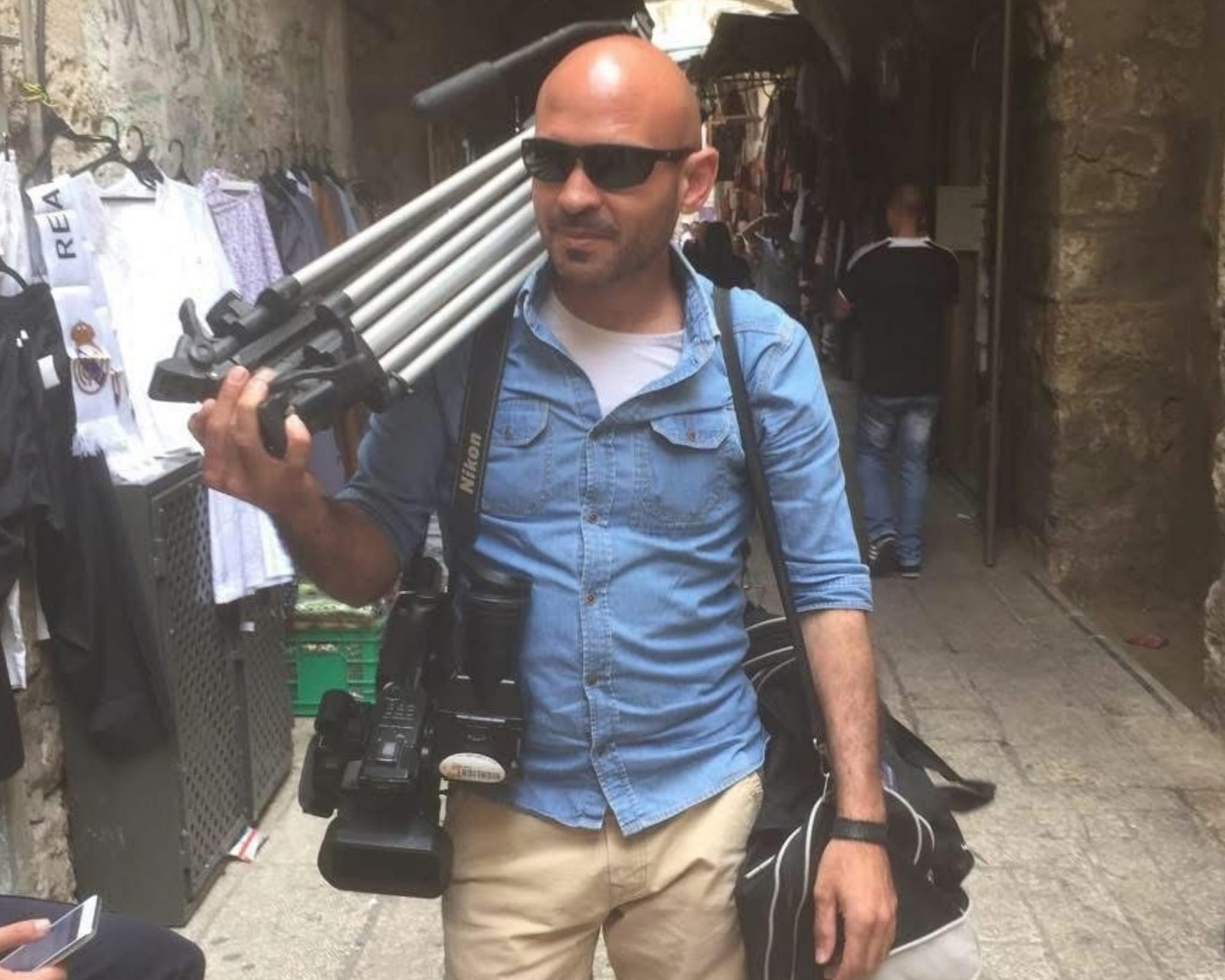
Rami al-Khatib, an independent press photographer working as a documentarian for the Islamic Waqf on the Temple Mount in Jerusalem, was banned from the site for six months earlier this week by Jerusalem District Police Commander Avshalom Peled, who claimed his activity amounted to incitement and could lead to unrest and risks to public safety.
Who is Rami al-Khatib and what is his role on the Temple Mount?
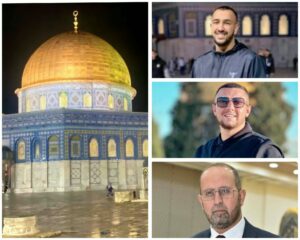
Rami al-Khatib is a well-known figure in the Palestinian-Jerusalemite landscape. He works as an independent media figure and photographer, but most of his activity is carried out on behalf of the Islamic Waqf’s media and communications department at Al-Aqsa Mosque. His work focuses on documenting daily events at the compound, especially clashes, Jewish visits to the Temple Mount and the activity of Israeli security forces. He is considered an official media voice of the Waqf.
Al-Khatib is highly active on social media platforms, mainly Facebook and Instagram, where he uploads videos and posts accompanied by politically and religiously charged commentary. Israeli authorities view some of the content as incitement, including praise for “martyrs” and calls for active resistance to the Jewish presence on the Temple Mount.
Among other things, al-Khatib publishes posts referring to young Palestinians clashing with police as “the heroic defenders of Al-Aqsa” and describes their actions as a supreme religious duty against what he calls “Zionist invasions.” Jewish visits to the compound are described by him as “settlers’ raids” or “Talmudic rituals.”
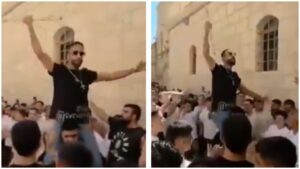
According to security officials, al-Khatib uses his camera and presence to encourage “Murabitoon” – Palestinian worshippers who remain at the site in order to disrupt Jewish visits to the Temple Mount. In some cases, officials claim his media activity supports narratives associated with organizations viewed by Israel as extremist and fuels religious tensions surrounding the Palestinian slogan “Al-Aqsa is in danger.”
Al-Khatib frequently uses religious terminology regarding the struggle over the Temple Mount. In one statement previously cited in legal contexts, he wrote: “Al-Aqsa is not only a place of prayer, it is the battlefield for the honor of the الأمة. Any retreat is betrayal.” He consistently refers to Israeli police forces operating at the site as the “occupation army.”
On the other hand, al-Khatib and the Waqf argue that the move is political persecution and an attack on freedom of the press. According to them, the ban is intended to “empty the area of documenting eyes” in order to allow police to operate without media scrutiny. Even after previous bans, he reportedly continued broadcasting live from areas surrounding the Temple Mount, such as Lions’ Gate, making him one of the most influential figures shaping public opinion in East Jerusalem regarding the Temple Mount issue.