Teddy Stadium in Jerusalem is preparing to welcome the city’s football clubs back with a change that most fans will never actually see from the stands: beneath the pitch, an advanced sensor system has been installed, similar to technology used at stadiums that hosted the most recent FIFA World Cup.
The upgrades were carried out during the pitch rehabilitation period following the opening ceremony of the Maccabiah Games. The stadium is now being prepared for the return of Jerusalem’s home fixtures. Hapoel Jerusalem is scheduled to host Maccabi Haifa on October 12, while Beitar Jerusalem is due to face Maccabi Tel Aviv at Teddy on October 19.
How did World Cup technology reach Teddy Stadium in Jerusalem?
According to the Jerusalem Municipality and Ariel Company, Teddy is the first stadium in Israel to install this type of underground wireless sensor network across its football pitch. The sensors continuously monitor conditions around the grass roots, including moisture, temperature and soil salinity.
The data allows maintenance teams to identify which areas of the pitch require irrigation, fertilization or other treatment rather than relying only on periodic inspections. The system accompanies the installation of a hybrid pitch combining natural grass with synthetic fibers, a method widely used at major stadiums to improve durability during periods of intensive use.
Why is Teddy Stadium heating and lighting its grass even when there is no match?
Jerusalem’s colder winter climate and the limited exposure to direct sunlight in some parts of the stadium create another challenge for maintaining the playing surface.
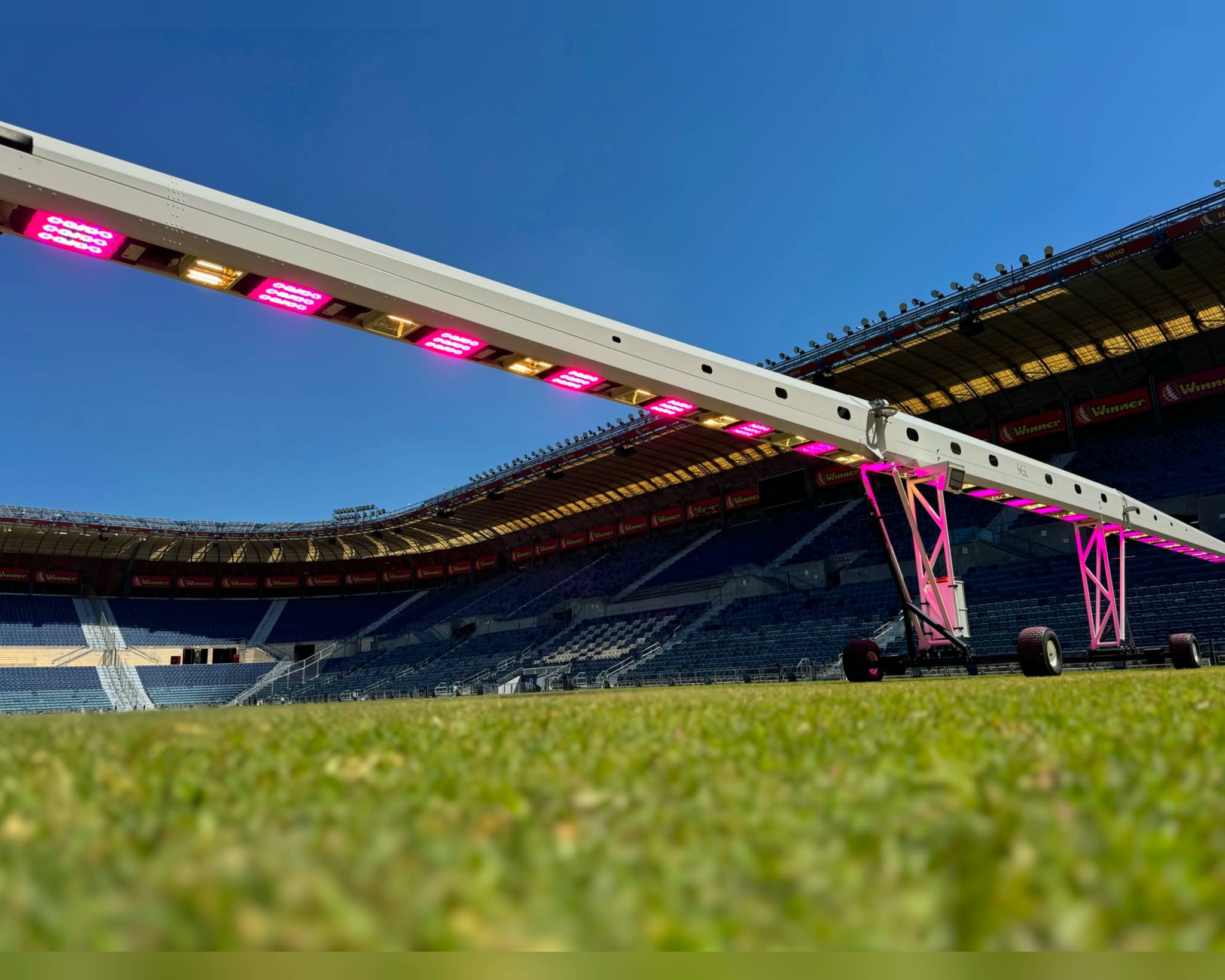
Mobile lighting systems have therefore been introduced to provide additional light and heat where necessary, while monitoring surface temperatures. Special thermal covers are also being used during colder periods to support grass growth and recovery after matches.
The teams’ bench areas have also been renovated, with new seating installed in accordance with UEFA standards.
Jerusalem Mayor Moshe Lion noted that “the technological upgrades at Teddy Stadium, together with the hybrid pitch and advanced maintenance systems, will provide Jerusalem’s teams and football fans with a high-quality sporting experience at the highest level.”
What else is changing around Teddy Stadium and Jerusalem’s Sports Complex?
The transformation extends beyond the football pitch. A new commercial avenue is currently being developed beneath Teddy Stadium’s northern stand, with the aim of bringing daily activity to Jerusalem’s Sports Complex even when no matches or major events are taking place.
At the same time, Jerusalem’s L3 light rail line now connects the Yitzhak Navon railway station with the Malha Sports Complex, providing public transport access to both Teddy Stadium and Pais Arena.
If the combination of rail access, commercial activity and upgraded sporting infrastructure works as planned, Teddy could gradually evolve from a stadium that comes alive mainly on match days into a year-round sports and leisure destination in Jerusalem.