Nearly 40 years after teenager Nissim Shitrit disappeared in Jerusalem, the murder case that came to symbolize the power of the “modesty patrol” within Rabbi Eliezer Berland’s Shuvu Banim community at the time has reached another dead end, with no resolution in sight. In recent days, the Jerusalem District Court ordered the suspension of proceedings against Baruch Sharvit, one of the two principal defendants charged with his murder, after a psychiatric evaluation determined that he was unfit to stand trial. Shitrit’s body has never been recovered, and no one has been convicted.
What Happened to Nissim Shitrit, Who Disappeared in Jerusalem in 1986?
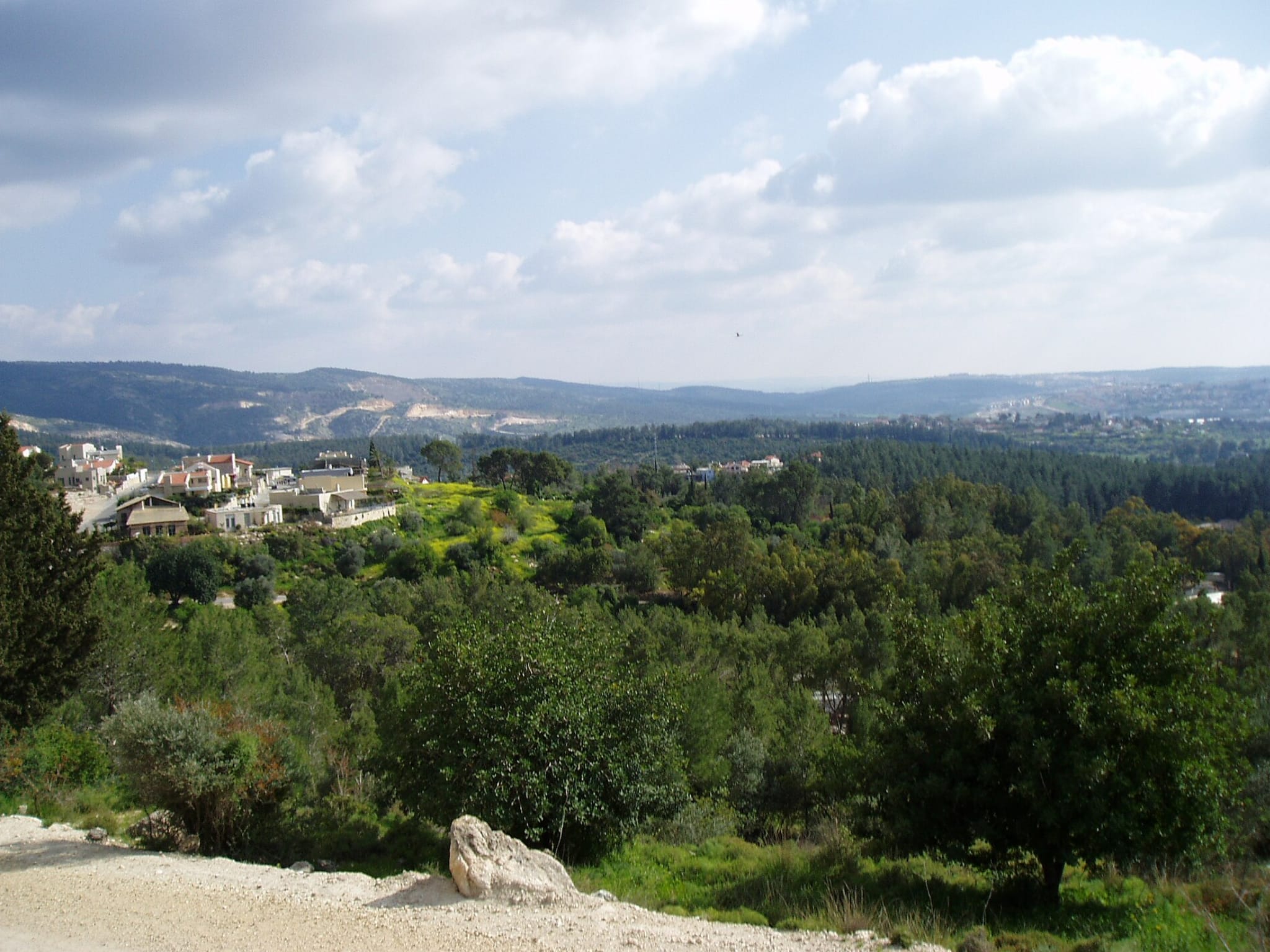
In 1986, Shitrit, a 16- or 17-year-old ultra-Orthodox teenager from Jerusalem’s Sanhedria neighborhood, came under suspicion among members of the community over alleged relationships with women. According to the indictment, he was lured to an apartment in Jerusalem by a young woman who was part of the plot. Members of the modesty patrol, including Sharvit and Binyamin Ze’evi, son of the late Israeli minister Rehavam Ze’evi, were waiting for him inside. Prosecutors allege that they beat him, abducted him to Eshtaol Forest and continued assaulting him until he died. His body was allegedly buried in the forest and has never been located.
The murder investigation remained stalled for decades without results. Only after the release of the documentary The Hidden Rabbi (Rav Hanistar) in 2019 was the investigation reopened, eventually leading investigators to suspects in the killing. Indictments were filed in December 2021, and Sharvit confessed and partially reenacted the events. During the renewed investigation, one suspect pointed investigators toward an approximate burial site in Eshtaol Forest. Extensive searches and excavations followed, involving police officers, Border Police personnel and the military’s Eitan unit, but no remains were found.
The trial was subsequently delayed by legal disputes over the statute of limitations. In 2024, the Jerusalem District Court dismissed the indictment against Ze’evi, but the Supreme Court overturned that decision, allowing the proceedings to continue at a slow pace.
This week, following the psychiatric evaluation, proceedings against Sharvit were suspended. The decision does not constitute an acquittal, and prosecutors have stated that the proceedings may resume in the future if the defendant’s medical condition permits. The ruling also weakens the case against Ze’evi, since Sharvit implicated him but is now unable to testify.
The Shitrit case, alongside the 1990 murder of Avi Edri, exposed allegations of violence within Berland’s community. Four decades later, there is still no body, no grave and no convictions. The Shitrit family remains burdened by unanswered questions, while justice, like the body itself, remains buried somewhere beyond reach.