Nearly a decade has passed since the deadly vehicle-ramming attack on the Armon Hanatziv Promenade in Jerusalem, yet the legal battle and enforcement controversy surrounding the attacker’s family continue to generate debate.
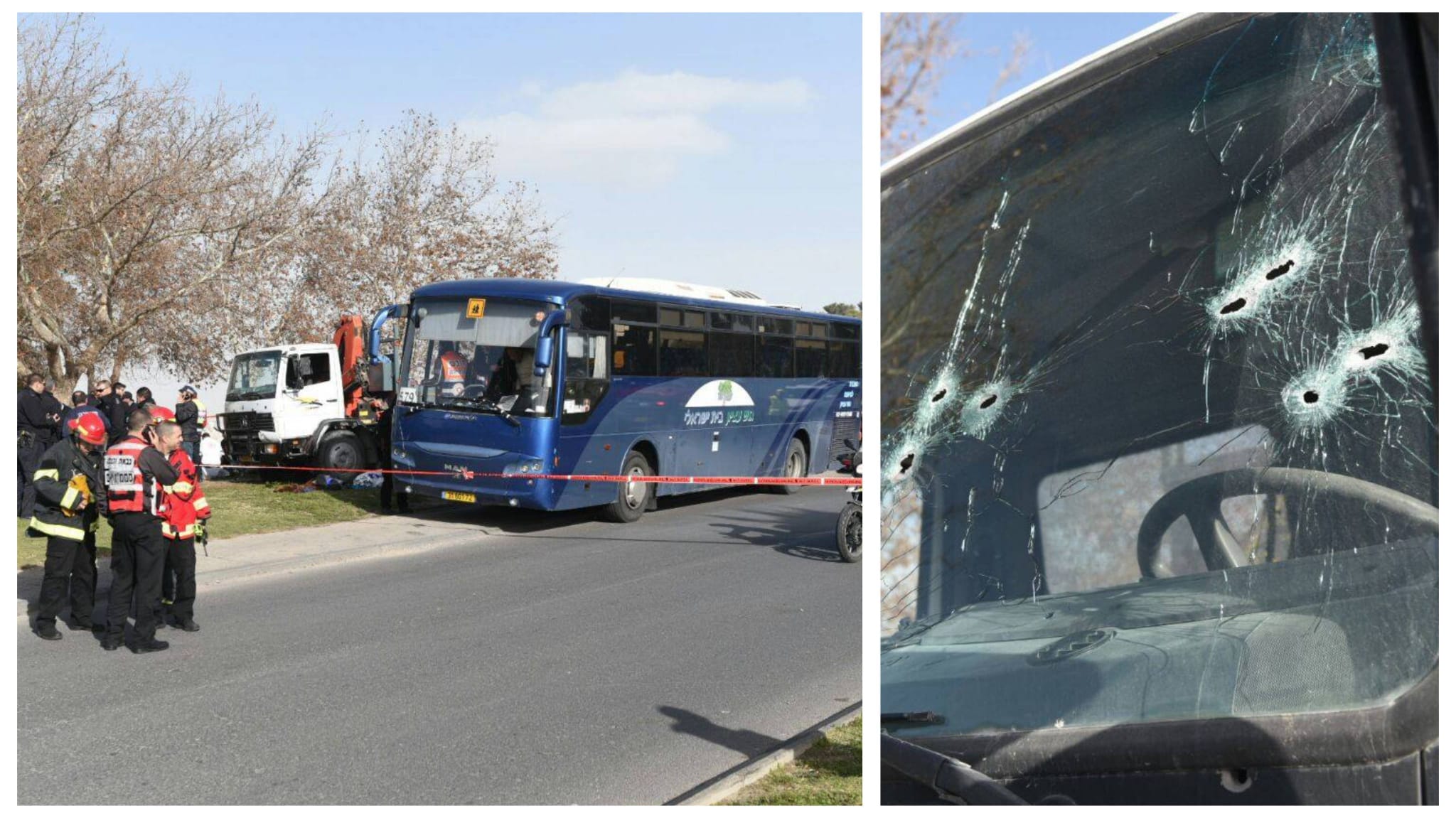
On January 8, 2017, a group of officer cadets from the Israel Defense Forces’ Officer Training School (Bahad 1) stepped off a bus at the promenade during an educational tour. Fadi al-Qunbar, an attacker from the nearby Jabal Mukaber neighborhood, accelerated his truck toward the group and rammed into them with devastating force. He did not stop after the initial impact. Instead, he made a U-turn and continued driving toward the soldiers until cadets and officers at the scene shot and neutralized him.
Four IDF soldiers were killed in the attack: Lieutenant Yael Yekutiel, 20, from Givatayim; Lieutenant Shir Hajaj, 22, from Ma’ale Adumim; Second Lieutenant Shira Tzur, 20, from Haifa; and Second Lieutenant Erez Orbach, 20, from Alon Shvut. More than a dozen soldiers and civilians were also injured, some seriously.
Why Were Deportation Orders Issued Against the Attacker’s Family?
Immediately following the attack, amid reports that some of the attacker’s relatives had celebrated or expressed support for his actions, then-Interior Minister Aryeh Deri ordered the revocation of residency permits held by the attacker’s mother, Manal, and 11 other relatives. His mother, originally from the West Bank, had lived in Jerusalem for decades under a family reunification arrangement with the attacker’s father, who held permanent residency.
The decision triggered a legal battle lasting more than five years, with family members challenging the measure as collective punishment. In September 2022, the Jerusalem Appeals Tribunal rejected an appeal by 17 members of the al-Qunbar family, establishing a precedent recognizing the interior minister’s authority to revoke family reunification status for deterrence purposes. Following the ruling, then-Interior Minister Ayelet Shaked issued formal deportation notices to seven principal family members, including the attacker’s mother.
Despite the ruling and formal revocation of her legal status, the mother reportedly continues to live in her home in Jabal Mukaber, East Jerusalem, without a valid residency permit. The delay in enforcing the order stems from a combination of legal obstacles and operational difficulties. Additional appeals and requests for interim injunctions have cited humanitarian considerations, including her advanced age and longstanding ties to Jerusalem, alongside legal disagreements between the Interior Ministry and the State Attorney’s Office.
At the operational level, enforcement has also stalled. While the Population and Immigration Authority is responsible for revoking residency status, physically removing someone from a densely populated East Jerusalem neighborhood falls to the Israel Police. That operation has yet to take place.
As a result, legal disputes and disagreements between enforcement authorities have prevented the implementation of a measure intended to deter future attacks, leaving the deportation orders unresolved.