A dramatic decision by the Palestinian Land Authority has sparked an unprecedented political and legal crisis in recent days, threatening to tear apart the fragile relationship between the leadership in Ramallah and hundreds of thousands of Palestinians living in East Jerusalem who hold Israeli-issued blue identity cards. A recently issued official directive ordered a sweeping freeze on all land registration transactions and property ownership regularization procedures involving blue ID card holders, raising serious questions about the fundamental property rights of East Jerusalem’s Palestinian population.
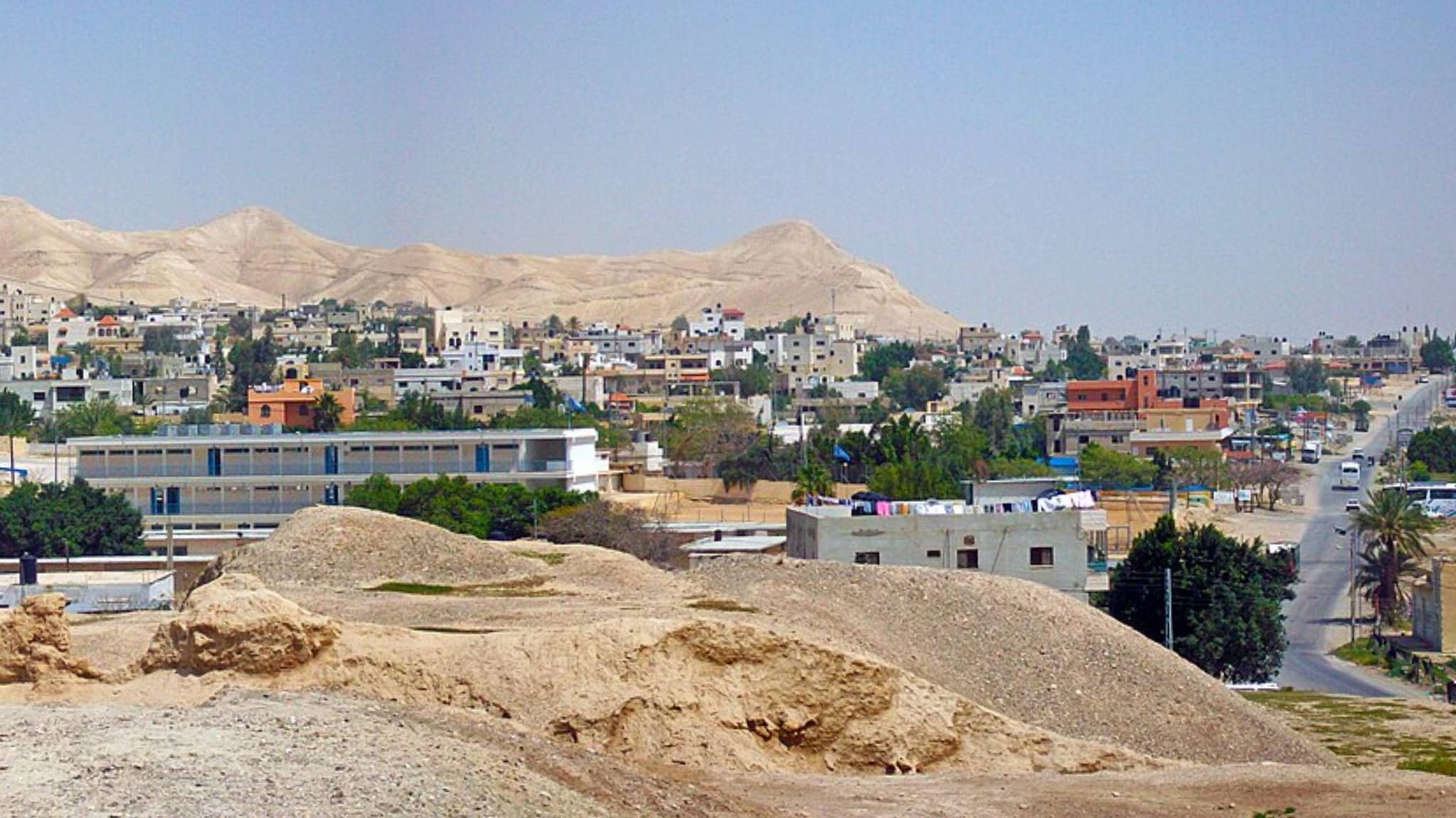
The extreme measure follows a controversy that Palestinian officials regard as a serious security matter: the alleged takeover of eight residential properties by Israeli settlers in the Lower Deir Duyuk area, west of Jericho. According to Palestinian security agencies, their investigation uncovered an elaborate network of forged documents and real estate fraud, allegedly involving intermediaries and frontmen holding blue identity cards. Because of their unique legal status, these individuals enjoy freedom of movement and access to the Israeli judicial system while remaining largely beyond the direct enforcement powers of Palestinian security agencies. Palestinian officials consequently came to view blue ID card holders as a legal loophole through which Palestinian land could be transferred to Israelis.
Why Is the Palestinian Authority Freezing Land Transactions for East Jerusalem Residents?
However, the attempt to prevent land transfers through a blanket ban on property transactions has triggered widespread public outrage in East Jerusalem. Civil society organizations and activists from the eastern part of the city issued a strongly worded condemnation, declaring that the measure, “in its sweeping form, constitutes a serious violation of citizens’ rights to own property and conduct transactions involving their assets.”
Addressing the Palestinian leadership directly, critics added: “National belonging and Palestinian citizenship should not be subject to discriminatory classifications, and administrative measures must not be allowed to deepen the political and geographical separation imposed by the occupation.”
The critics emphasized that the decision creates damaging “collective suspicion” against an entire population they regard as a vital line of defense for the city. Their statement concluded with an unequivocal message: “East Jerusalem residents are not a problem to be protected against. They are the first line of defense for Jerusalem and its Palestinian identity.”
Meanwhile, mounting public pressure and growing recognition that the measure reinforces existing geographical and political divisions appear to have prompted a reconsideration. Senior government sources in Ramallah acknowledged that the chairman of the Palestinian Land Authority had exceeded his authority, and the Palestinian government is expected to revoke the decision at its next meeting.
Instead of maintaining the comprehensive freeze, the government is expected to introduce a more targeted mechanism involving temporarily stricter verification procedures and enhanced security screening of property transactions.
The current crisis may be approaching a resolution, but it leaves an open wound and once again exposes the complex legal and national predicament facing Palestinian residents of East Jerusalem.