Can an entire city be taught to drive more carefully, or does road safety depend on factors far more complex than classroom lessons and public awareness campaigns? In Jerusalem, a city marked by social inequalities, densely populated neighborhoods, diverse communities and a complicated transportation network, this question carries particular significance. Educational and community activities are taking place across the city in recent days as part of Road Safety Month, but behind them lies a broader debate about human behavior, urban planning and public responsibility.
Does road safety education actually reduce traffic accidents?
International road safety research suggests that education and awareness campaigns, when implemented alone, are insufficient to achieve substantial reductions in traffic accidents and casualties. The Safe System approach, adopted in many countries, recognizes that people will inevitably make mistakes. Roads, intersections and pedestrian crossings should therefore be designed to minimize the consequences of those mistakes. Lower speeds, safer infrastructure and consistent enforcement can have a greater impact than even the most successful awareness campaign.
In Jerusalem, this challenge has a particularly important social dimension. A child living in a densely populated neighborhood, an elderly pedestrian struggling to cross a busy road and a driver rushing to work do not operate under equal conditions. Sociological approaches to road safety emphasize that people’s behavior is shaped by their surroundings, access to transportation and the social norms that develop within their communities.
The figures illustrate the scale of the challenge. In 2025, 167 pedestrians were injured or killed in traffic accidents in Jerusalem, including seven fatalities and 67 serious injuries, according to figures published by the Israeli road safety organization Or Yarok, based on data from the Central Bureau of Statistics. These numbers demand attention to infrastructure, not merely individual behavior.
What road safety activities are taking place in Jerusalem?
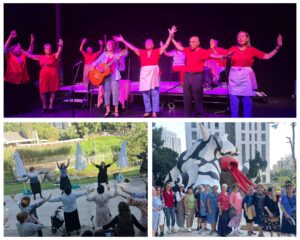
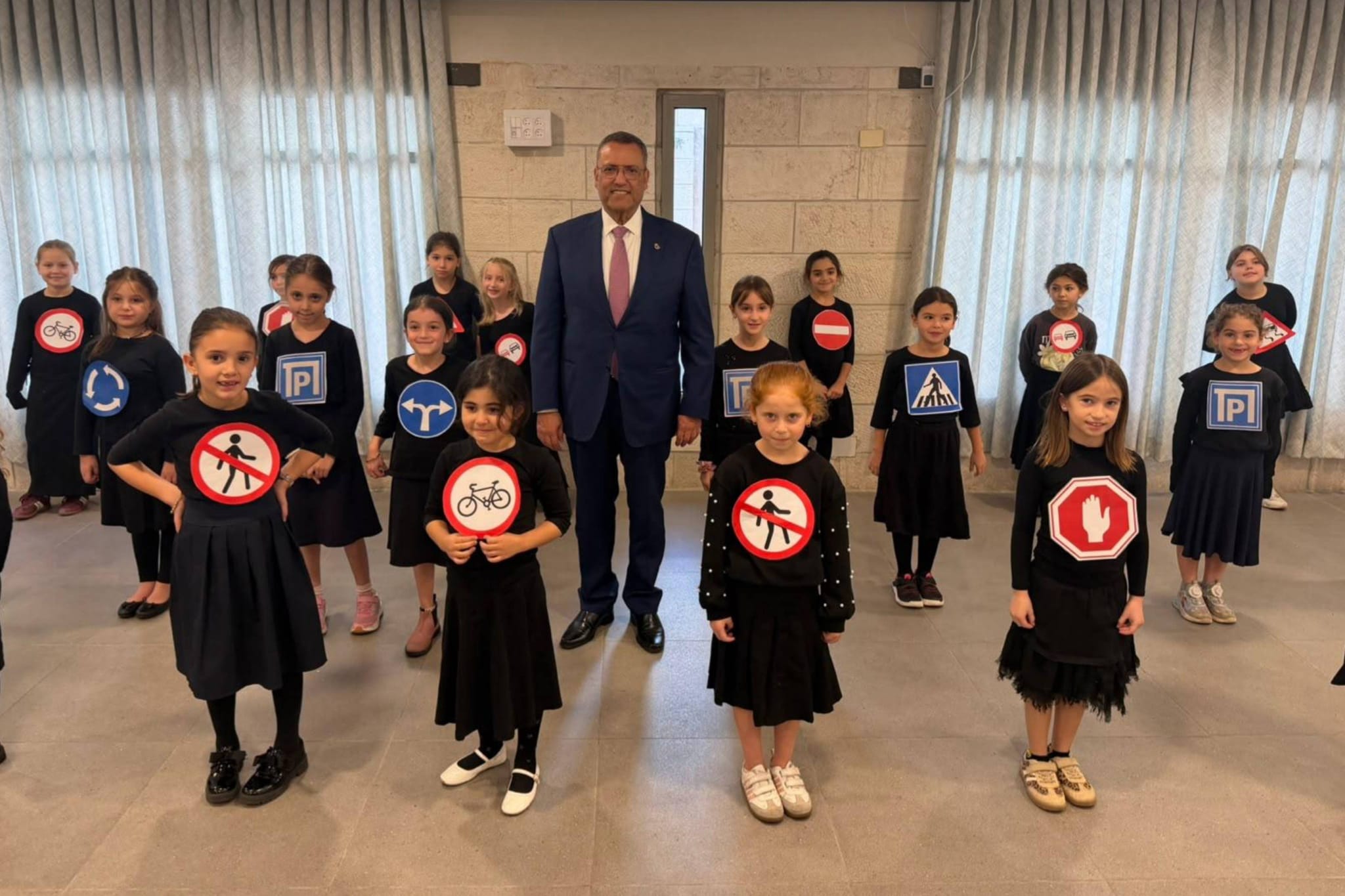
The municipal program includes road safety lessons in schools, educational workshops in community centers and activities for students in Beit Hanina, a neighborhood in East Jerusalem. Additional initiatives are tailored to ultra-Orthodox educational institutions, alongside a campaign encouraging greater consideration for elderly pedestrians and other vulnerable road users.
One initiative, titled “It Won’t Happen to Me – Stop and Listen,” features encounters with traffic accident survivors who share personal experiences and describe the consequences for themselves and their families. From a psychological perspective, personal testimony can transform an abstract risk into something emotionally tangible. However, its long-term impact on actual behavior cannot simply be assumed.
Jerusalem Deputy Mayor Arieh King, who oversees the city’s road safety portfolio, has presented the goal of zero traffic fatalities as a guiding municipal vision. He emphasized the importance of protecting children, pedestrians and elderly residents while improving road infrastructure.
Ultimately, the real measure of success is not the number of lessons delivered or campaign participants reached. It is found on Jerusalem’s streets: in vehicle speeds, the safety of pedestrian crossings and whether children can travel to school and return home without fear. Education matters, but a genuinely safe city is measured above all by its ability to protect people even when they make mistakes.