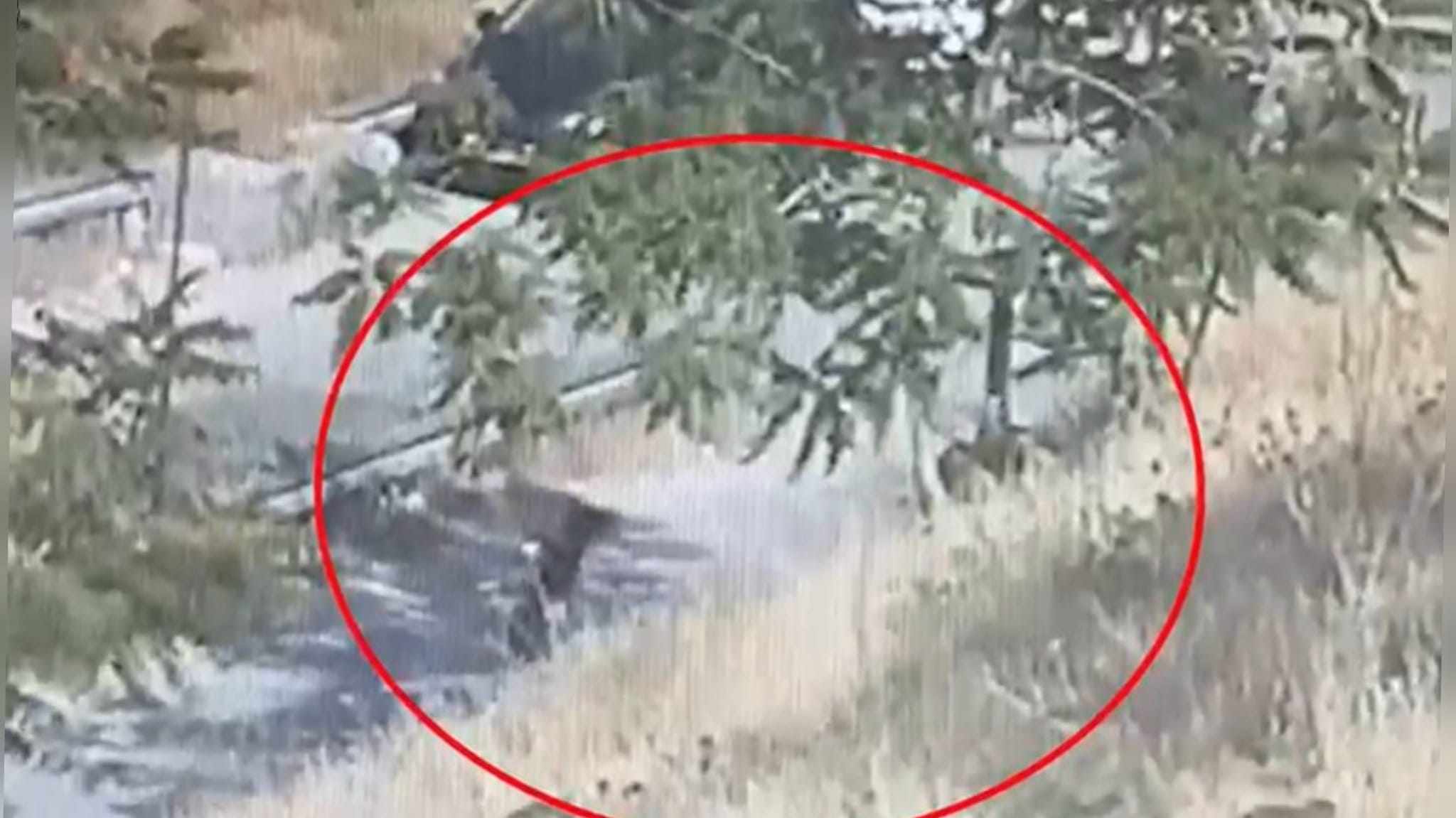
A single spark in dry vegetation can be enough to set an entire woodland ablaze on the outskirts of Jerusalem. Every summer, fears return over fires breaking out in forests and open areas around the city – sometimes through negligence and sometimes as a result of deliberate arson. Once driven by the wind, the flames can quickly threaten neighborhoods, roads and vital infrastructure.
In recent days, that dangerous scenario returned to Martin Buber Road in Jerusalem. A report received by the police emergency hotline warned of a woodland fire, prompting officers from the Jerusalem District’s Shalem station to arrive at the scene and open an investigation into how the blaze began.
How Were the Jerusalem Arson Suspects Caught?
As part of the investigation, police used technological tools and surveillance footage from the “Mabat Jerusalem” control center. According to police, the footage helped identify two suspects who allegedly set the fire and fled the area.
Police officers and Border Police troops located two 15-year-old minors from Issawiya and arrested them for questioning. During the investigation, suspicion arose that the pair may also have been involved in another arson incident that occurred one day earlier in the Issawiya area.
A court extended their detention until June 23, 2026, while the investigation into both incidents continues.
Which Jerusalem Areas Face the Highest Summer Fire Risk?
Jerusalem is surrounded by forests, woodland and open land, much of it located close to homes and major roads. The Jerusalem Forest, Ein Kerem, Lifta, Emek HaArazim, Ramot, Mount Scopus and the wooded areas near Issawiya are among the locations considered particularly vulnerable.
Communities and forests west of the city, including Mevaseret Zion, Motza, Sataf, Tzova and Mount Eitan, are also exposed to rapidly spreading fires. The mountainous landscape can make access difficult for firefighters, while winds moving through the hills may push flames in changing and unpredictable directions.
Why Is the Jerusalem Summer Especially Dangerous for Fires?
By the end of spring, green vegetation has dried into highly flammable grass. High temperatures, low humidity and strong winds create conditions in which a small fire can quickly grow out of control. A discarded bottle, an ember that was not fully extinguished or a deliberate act may be enough to ignite a wide area.
The rapid arrests on Martin Buber Road may have prevented further incidents, but the suspicion of two arson cases within two days is a warning sign. In Jerusalem during the summer of 2026, every plume of smoke rising from a woodland area demands an immediate response – and raises the question of whether a broader wave of arson is beginning.