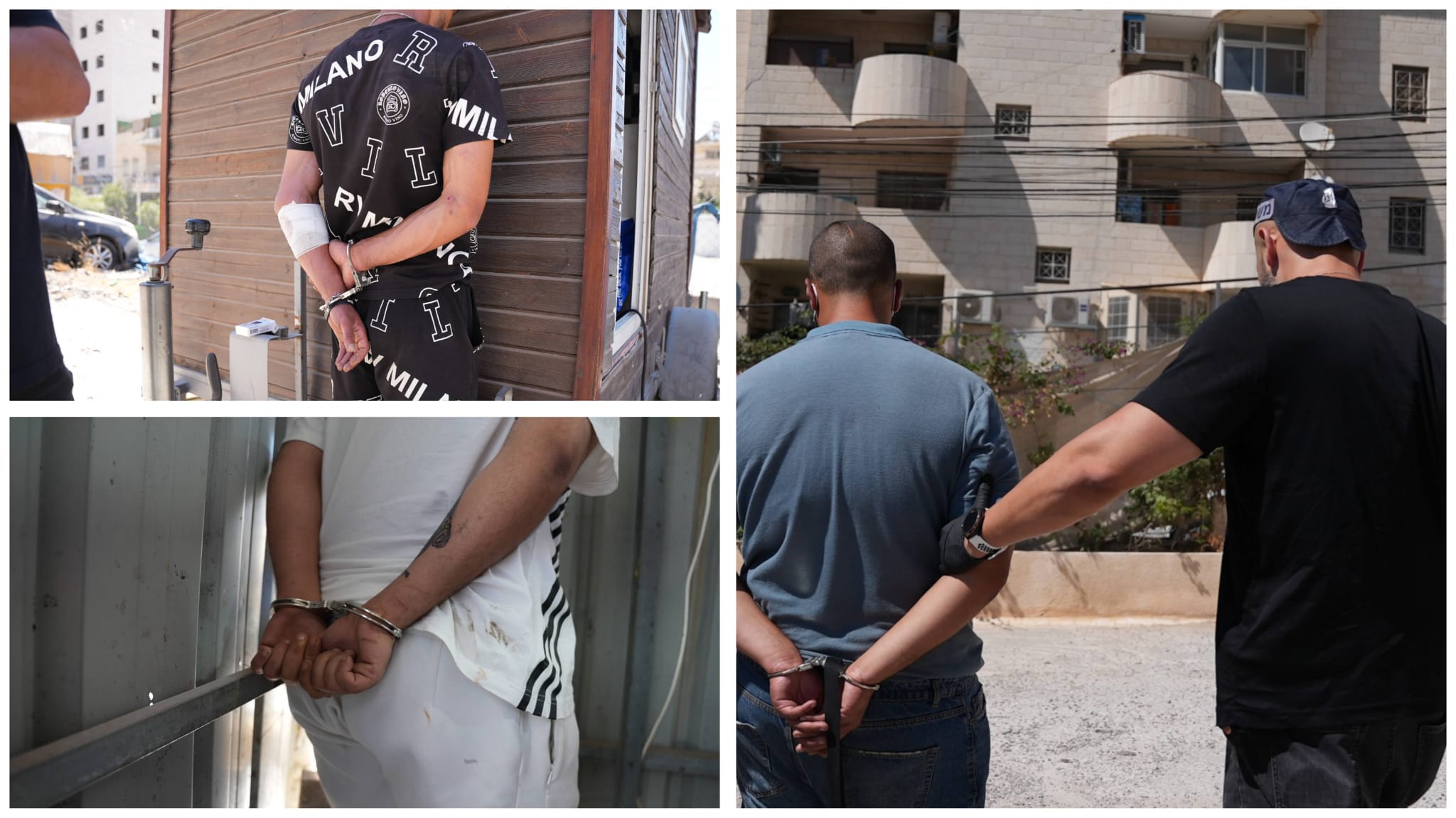
No neon sign, no organized checkout counter and no line at the entrance. According to police suspicions, a makeshift compound in the Dahiyat al-Barid area of Shuafat in northeast Jerusalem operated as a full-scale drug station: a point where dangerous substances arrived, were sold and then moved onward into the streets.
From the outside, the site may have looked like just another cluster of crowded structures in an area where law, planning and reality have maintained a loose relationship for years. Behind the walls, however, police suspect that an organized criminal hub was operating, turning drugs into an accessible product and the neighborhood into a distribution point.
In recent days, the undercover investigation reached its operational stage. Detectives from the Jerusalem District Central Unit raided the compound, conducted searches and arrested several suspects believed to have been involved in running it.
How Did a Compound in Shuafat Become a Major Drug Station in Jerusalem?
According to police, the raid followed a prolonged intelligence operation and an undercover investigation conducted by the Jerusalem District Central Unit. Investigators monitored activity at the compound and worked to identify the people operating there, the alleged sales methods and the movement surrounding the site.
During the searches, officers seized various quantities of substances suspected of being dangerous drugs of different kinds. Police have not disclosed the exact quantities or the full scale of the alleged distribution network, but described the compound as a central point for the sale and distribution of drugs.
The Jerusalem District Police stated: “Following a prolonged intelligence operation and an undercover investigation by detectives from the Jerusalem District Central Unit in the eastern part of the city, police forces raided a compound in the Dahiyat al-Barid area of Shuafat, which was allegedly used as a central point for the sale and distribution of various types of dangerous drugs.”
The significance extends beyond a single seizure. A station of this kind, should the allegations be proven, does not merely sell an illegal substance. It creates an environment of quick money, debts, threats and dependency, while pushing criminal activity directly into the residential space of families and children.
Why Were the Structures Used for the Alleged Criminal Activity Demolished?
Following the raid, Jerusalem Border Police forces, officers from the police enforcement unit and Jerusalem Central Unit detectives arrived at the compound. As part of the operation, illegal structures allegedly used to operate the drug station were demolished.
The demolition was intended not only to erase the physical scene, but also to prevent the site from returning to operation immediately after the forces left. Where improvised walls become business infrastructure for the drug trade, an arrest alone does not always close the door.
After an evidentiary foundation was established against four of the suspects, the military prosecution filed a prosecutor’s declaration against them. Their detention was extended, and an indictment is expected to be filed in the coming days.
The investigation may now be approaching its legal phase, but the larger question remains in the street: how many similar stations are still operating behind closed doors, and how long will it take for drugs packed inside a hidden compound to reach another neighborhood in Jerusalem?