Against the backdrop of an intelligence assessment pointing to concerns that tensions on the ground could flare ahead of the Tishrei holiday period, security forces are currently carrying out a broad preventive operation in Jerusalem. At the center of the activity is the issuing of numerous administrative restraining orders barring individuals associated with incitement, inflammatory activity and disturbances of public order from the Temple Mount compound and the Old City. Security officials stress that this is an essential preventive measure intended to preserve calm, prevent friction and violence, and ensure freedom of worship and the safety of the tens of thousands of worshippers and visitors expected to fill Jerusalem’s Old City and its holy sites during Rosh Hashanah, Yom Kippur and Sukkot.
Which activists have been barred from the Temple Mount in Jerusalem ahead of the Tishrei holidays?
The restraining operation is carried out mainly by summoning prominent activists, former prisoners, preachers, religious figures and opinion leaders from East Jerusalem for questioning, debriefing and warnings at the Kishle police station in the Old City, where the Jerusalem District’s David Precinct headquarters, responsible for the Temple Mount, is located. Activists are handed initial restraining orders on the spot, which are sometimes extended by orders issued by the commander of the Jerusalem District Police for additional periods of several months. In some cases, the district commander’s decision is delivered to activists through their social media accounts.
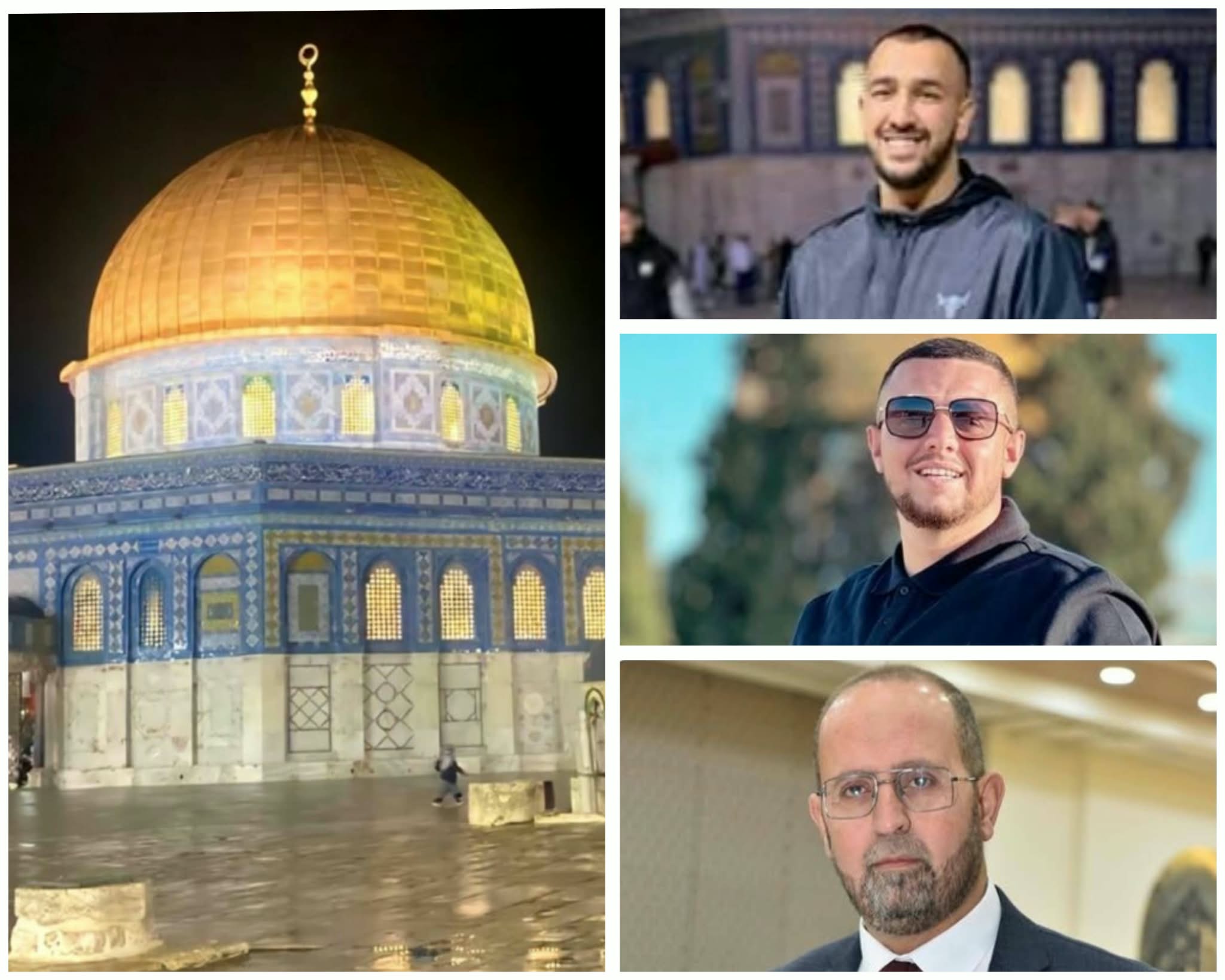
Among the prominent figures against whom restraining orders have already been issued as part of the ongoing activity is Sheikh Dr. Iyad al-Abbasi, an Islamic law judge, or qadi, at the Sharia Court, a Waqf employee and a well-known preacher at Al-Aqsa Mosque. Security officials have been monitoring his religious sermons for some time. They have been examined by law enforcement authorities over inflammatory messages, support for the Palestinian struggle and calls encouraging resistance. Al-Abbasi has been barred several times in the past, including over sermons related to the war in Gaza.
Another prominent individual barred from the area is Jihad Qawas, a well-known grassroots and public activist from the Old City and Sheikh Jarrah area. Qawas is identified by police and the Shin Bet as being involved in organizing protests and spontaneous demonstrations around the Old City basin, and as someone capable of mobilizing young Jerusalem residents for public disturbances and violent confrontations on the compound during visits by non-Muslim visitors.
Also among those barred is Yusuf al-Rishq, a prominent Jerusalem activist who serves as an example of what security officials describe as a policy of “rolling restraining orders.” Al-Rishq has been under consecutive administrative orders barring him from the Al-Aqsa compound for more than three years. Each time an order expires, he is summoned again for questioning at the David Precinct and receives a new restraining order, as a preventive step intended to stop him from organizing disturbances on the Temple Mount compound.
Among Arab citizens of Israel, one of the names cited is Mehran Mahamid, an activist from northern Israel who operates an extensive transportation network, organizing and financing the mass arrival of Arab citizens from communities in the Galilee, the Triangle and the Negev directly to the Temple Mount compound. Security officials view Mahamid’s transportation network as a platform used to bring thousands of worshippers and Murabitun activists into the Old City at sensitive times, with the aim of creating a “critical mass” on the compound and making it more difficult for police forces to maintain public order.
Alongside the preventive activity and the removal of individuals identified as inflammatory figures, reinforced Israel Police and Border Police forces will be deployed throughout the alleys of the Old City and at the gates of the Temple Mount, with the aim of ensuring a safe and peaceful holiday period for all residents and visitors.