Jerusalem is entering summer with an urban landscape that is anything but calm. Large infrastructure projects, road closures, traffic jams, dust and construction sites have become part of daily life in many neighborhoods. For residents facing longer journeys, constant noise and frequently changing traffic arrangements, even a simple family outing can become an exhausting task.
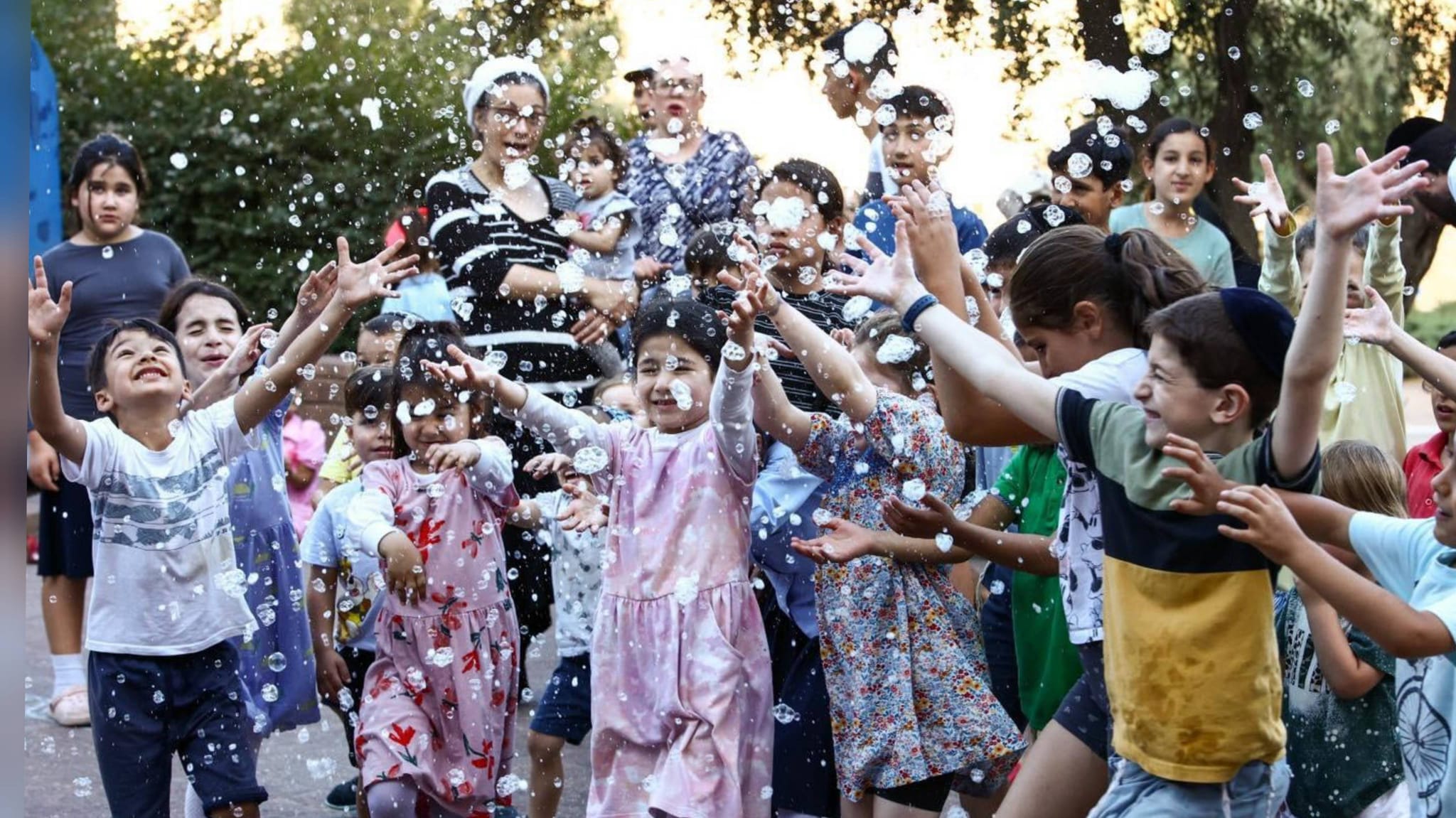
Against this backdrop, the Jerusalem Municipality plans to bring part of the city’s summer program directly into neighborhood shopping centers. Over roughly three months, the centers are expected to host live music, street performances, community events, children’s activities, stalls and seating areas. The aim is to let families spend time together close to home, without having to cross an already congested city.
Can neighborhood events make summer in Jerusalem easier?
The activities cannot solve Jerusalem’s transportation problems or make the dust disappear, but they may offer residents an accessible break within their own surroundings. Instead of traveling to the city center or distant entertainment areas, families will be able to walk to their local commercial center and find music, street shows and activities for children.
Events are planned in Beit HaKerem, East Talpiot, Pisgat Ze’ev, Neve Yaakov, Katamon, Har Homa, Givat Mordechai, Yuvalim and additional neighborhoods. Each location is expected to offer activities adapted to the character of the local community, in cooperation with community councils and nearby businesses.
Why are shopping centers becoming neighborhood gathering places?
Jerusalem’s neighborhood shopping centers are not used only for errands. In areas far from the city center, they often function as a local square where neighbors, children, shopkeepers and older residents meet. At a time when reaching central entertainment districts has become more complicated, their role as community hubs is becoming more important.
Jerusalem Mayor Moshe Lion said: “Neighborhood commercial centers are an important engine in Jerusalem’s community life and local economy. Through this initiative, we are strengthening neighborhood businesses, encouraging residents to visit local shopping areas and creating a lively, welcoming public space.”
Kfir Naiman, head of the municipality’s Business Promotion Division, added that these centers are “far more than places to shop,” describing them as an integral part of residents’ everyday lives.
Can culture overcome the feeling of living inside a construction site?
The real test will not be the number of performances, but whether the events can create a pleasant public space within an increasingly tiring urban reality. Residents expect not only entertainment, but also accessibility, cleanliness, shade, reliable transportation and a sense that the city takes their daily experience into account.
The summer program may bring some color and activity back to neighborhood centers. Still, it will unfold in a city undergoing rapid change. For many residents, it may offer a brief pause between one traffic jam and the next construction site.