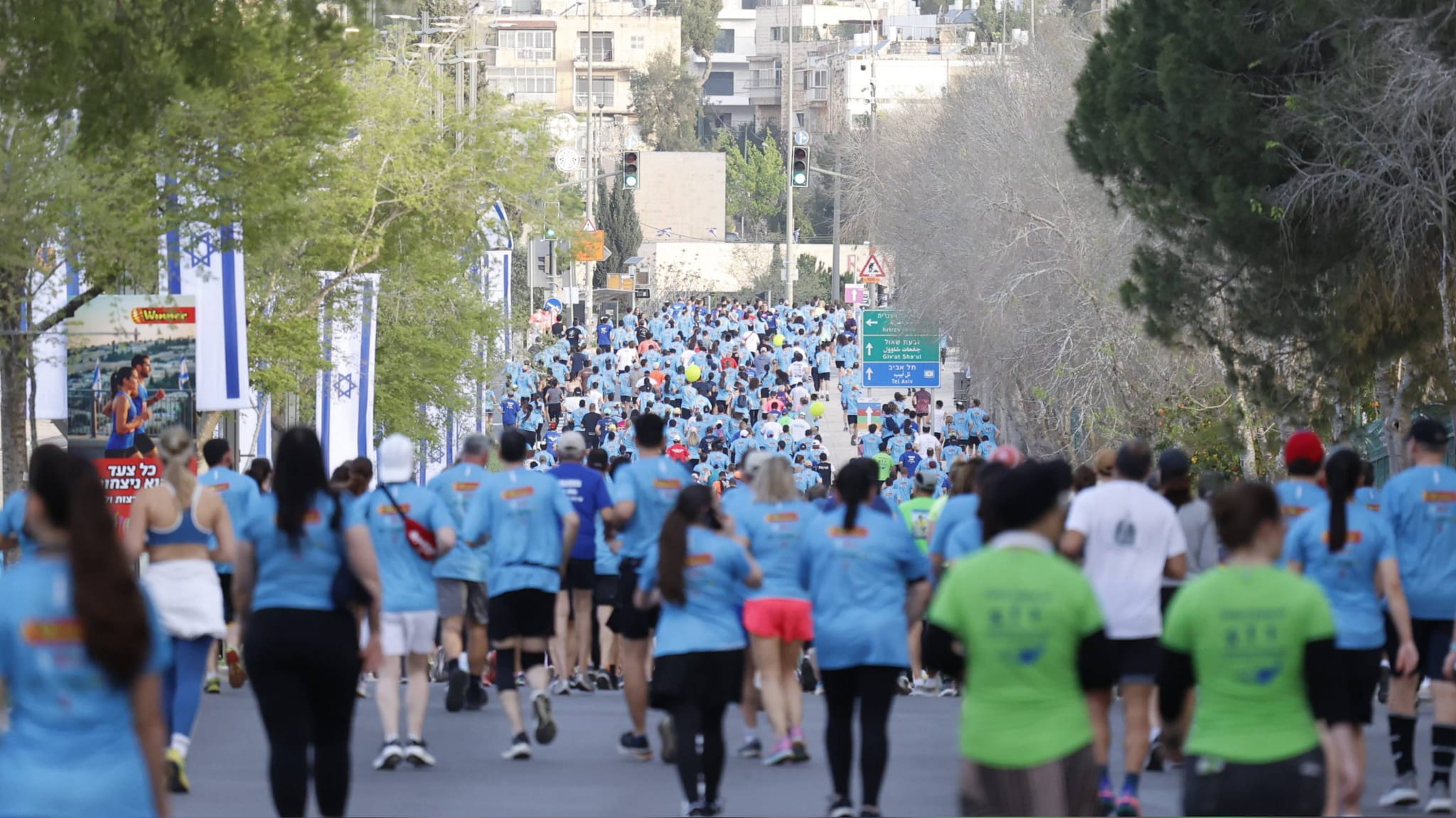
Mid-April 2026 in Jerusalem, and something in the air has shifted. After weeks of security tension, sirens and uncertainty, the city’s streets filled Friday morning with tens of thousands of runners. The 15th Jerusalem Winner Marathon became more than a race – it was a moment of movement, breath and collective forward motion.
Held on April 17 under the theme “The People of Israel Run,” the marathon reflected a broader sense of recovery, unity and community. The route passed some of Jerusalem’s most iconic landmarks, including the Knesset, the Old City walls, Sultan’s Pool, Mishkenot Sha’ananim, Mount Zion, the German Colony, Rehavia, Armon Hanatziv Promenade and Sacher Park.
What races and participation defined Jerusalem Marathon 2026?
The event featured five race categories: half marathon, 10K, 5K, family run (1.7 km) and a special social run (800 meters). Tens of thousands took part – from professional athletes to families, alongside thousands of Israeli soldiers in active duty, reserve and career service running shoulder to shoulder.
Despite heat and ongoing security challenges, the presence of soldiers stood out. Their participation reflected a broader spirit of determination and unity, continuing forward even under pressure.
Jerusalem Mayor Moshe Lion said: “The Jerusalem Winner Marathon is far more than a sporting event. It represents determination, strength and unity. This year, especially during a challenging period, the participation of thousands running together in Jerusalem sends a message of resilience, hope and choosing life.”
Toto CEO Meir Bardugo noted: “Producing this year’s marathon was particularly complex under the circumstances. Thanks to the Jerusalem Municipality and the hundreds of staff members who showed flexibility and endurance. Despite the challenges, participants enjoyed an exceptional sporting experience.”
How did Jerusalem District Police secure the marathon and what followed?
Jerusalem District Police deployed large forces across the city from early morning hours. Officers and Border Police units were positioned along the routes, supported by aerial and ground monitoring systems, with operations managed from a central command post in Sacher Park alongside emergency services and municipal authorities.
Jerusalem District Police stated: “From the early morning hours, officers and Border Police forces were deployed extensively along the marathon routes to ensure the safety and security of thousands of participants, while directing traffic and maintaining order.”
Following the event, all major roads across Jerusalem were reopened to traffic, except for areas surrounding Sacher Park (Ruppin and Ben Zvi streets), where infrastructure dismantling operations were still underway.
For a few hours, Jerusalem did not just host a marathon – it reclaimed its rhythm.