Hidden among the paths of the Jerusalem Botanical Gardens is a small story about a giant tree. Not a local plant that easily adjusted to the city’s mountain climate, but an almost stubborn attempt to grow the Giant sequoia, one of the most impressive and largest trees in the world.
The Botanical Gardens describe the project as “an extraordinary story of struggle, close care and a great deal of patience.” The Giant sequoia, native to the forests of California, is used to a much cooler and more humid climate than Jerusalem can offer. It belongs to the cypress family, but unlike local trees that know how to survive dry summers, limestone soil and long hot months, this tree comes from a completely different world.
How did a tree from California survive in Jerusalem?
The journey began in 2011 with 80 tiny Giant sequoia seeds. At the Botanical Gardens, the seeds underwent “cold stratification”, a process that simulates winter inside a refrigerator in order to encourage germination. After about two and a half months, the first surprise came: 70 small seedlings emerged, an unusually high rate for such a difficult tree to grow in local conditions.
But the early success was not the end of the story. The young seedlings soon began suffering from a leaf disease that spread through the nursery, and some of them died one after another. According to the Botanical Gardens, the nursery team tried to understand what was causing the plants’ distress and carried out “changes in irrigation, adjustment of light and ventilation, and the transfer of the seedlings to sunlight and open air.” Later, anti-fungal treatment was also needed to stop the losses.
Dr. Ori Fragman-Sapir, scientific director of the Jerusalem Botanical Gardens, said: “People think plants simply grow or die, but in practice you have to learn how to listen to them. In the case of the sequoia, we really felt like an intensive care team for newborns. Every small change in conditions could determine whether the seedling survived or not. Seeing Giant sequoia trees growing in Jerusalem today is, for us, a small botanical miracle.”
What does the sequoia story teach about plant health?
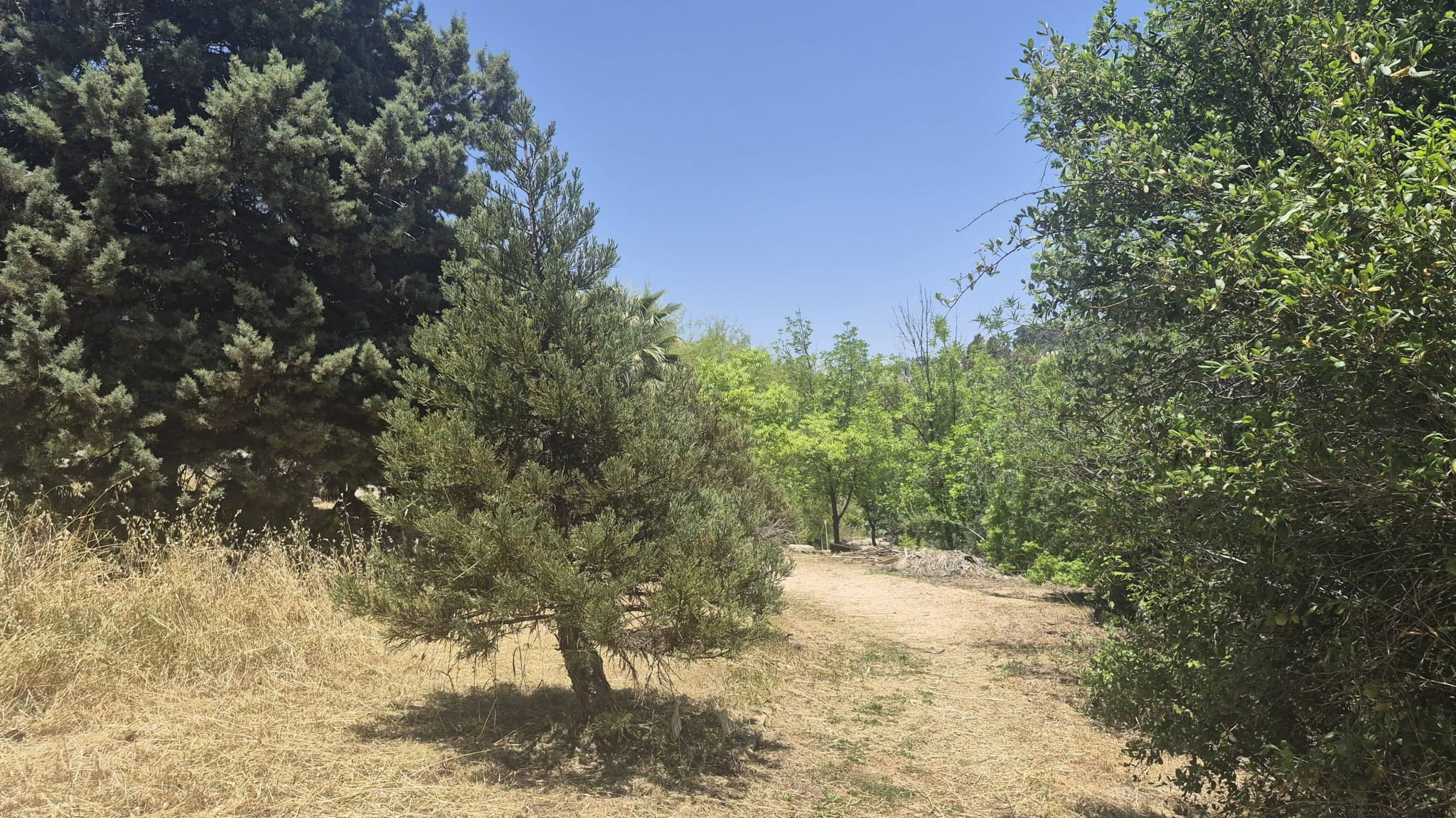
In the end, only 23 seedlings survived. After they were planted in the garden’s soil, they had to face Jerusalem’s conditions almost on their own: dryness, limestone soil, sun and changing temperatures. Today, they grow in the North America section of the Botanical Gardens, alongside older Coast redwood trees that are already about 40 years old.
The Botanical Gardens say the story of the Giant sequoia shows “how much plant health depends on observation, adaptation and understanding environmental conditions.” Sometimes, the difference between collapse and success is not one dramatic miracle, but a series of small, careful and accurate decisions.
The Jerusalem Botanical Gardens in Givat Ram cover about 150 dunams and are considered the largest of their kind in the Middle East. The garden holds the largest collection of living plants in Israel and the region, with more than 7,300 species and varieties from around the world, displayed in six geographical sections that recreate different plant habitats.