The death of a pedestrian in her 70s, struck by a truck on Ramban Street in Jerusalem at the beginning of the week, is no longer just another traffic report destined to disappear from the news cycle. In Rehavia, one of the capital’s oldest and most prestigious neighborhoods, the fatal crash has sharpened a disturbing question hanging over its narrow streets: was this neighborhood ever built to handle the traffic pressures imposed on it today?
Rehavia in 2026 is very different from the elegant Jerusalem neighborhood many longtime residents remember. Over the years, many veteran residents have left, some large apartments have been subdivided, and students and younger tenants have moved into buildings that once housed established families. The social fabric has changed, but the streets themselves have barely changed with it.
Pedestrians and drivers are now forced to navigate narrow roads, dense parking, limited visibility, service vehicles, trucks, construction sites and road excavations. As in many parts of Jerusalem, infrastructure projects and traffic congestion make movement increasingly difficult. In Rehavia, however, the combination of an aging urban layout and heavy vehicle traffic can make every encounter on the road considerably more dangerous.
At the beginning of the week, those fears became painfully real. Magen David Adom and Tzevet Hatzalah emergency teams were called to Ramban Street after the pedestrian was struck by a truck.
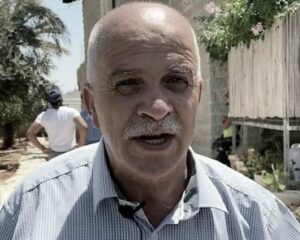
Haki Har Kesef, a Tzevet Hatzalah volunteer who was first to arrive, said: “When I arrived, I saw a pedestrian, a woman in her 70s, lying on the road unconscious, without a pulse and not breathing, with multisystem injuries after being hit by a truck.”
Har Kesef added: “Together with other MDA medics and paramedics, we immediately began advanced resuscitation efforts, including chest compressions and ventilation, but unfortunately, because of the severity of her injuries, the MDA paramedics were forced to pronounce her dead at the scene.”
Can Rehavia’s Streets in Jerusalem Handle Today’s Traffic?
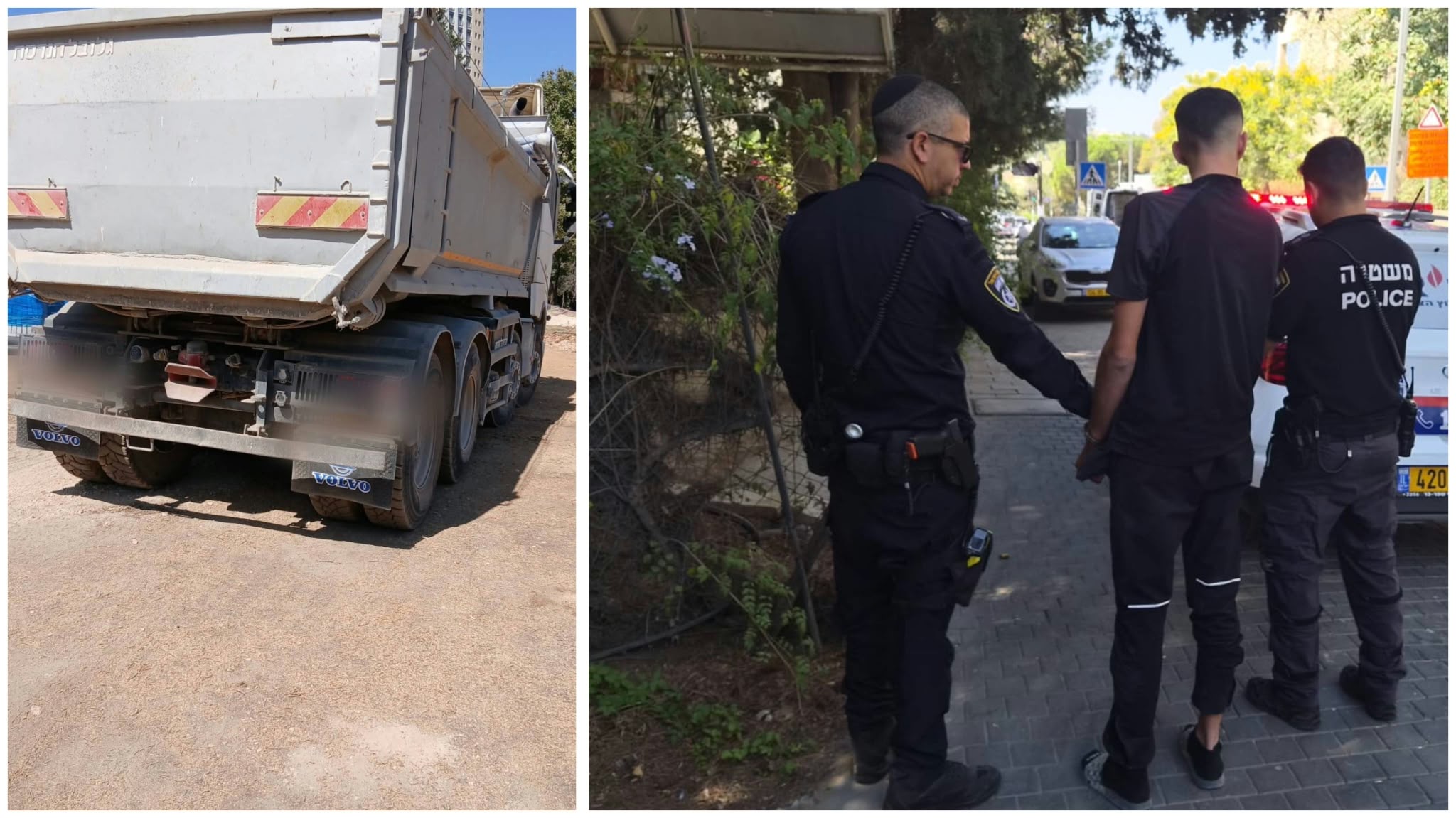
Following the crash, an investigation was opened while police launched searches for the truck and its driver. Jerusalem District Police said that “investigative actions led within a short time to the location of the truck and the arrest of the suspected driver,” a man in his 20s from East Jerusalem.
Jerusalem District Police further stated that “officers seized the truck, and traffic investigators from the Jerusalem District are continuing to investigate the circumstances of the incident.” The suspect’s driving license was later suspended for 90 days.
But the police investigation does not answer the wider urban question. Streets designed for another era are now expected to absorb private cars, trucks, service vehicles, pedestrians, construction projects and infrastructure work, often within the same cramped space.
For longtime residents who remain in Rehavia, the fatal crash at the beginning of the week is therefore more than a local tragedy. It is being viewed as a warning of what could happen again if congestion, excavations, heavy traffic and narrow streets remain an everyday reality in one of Jerusalem’s most recognizable neighborhoods.