Influenza returns every winter, but in Jerusalem it encounters an especially complex urban reality. Dense living conditions, large families, crowded schools and communities with very different vaccination patterns turn the fight against the virus from a simple medical question into a broader public-health challenge.
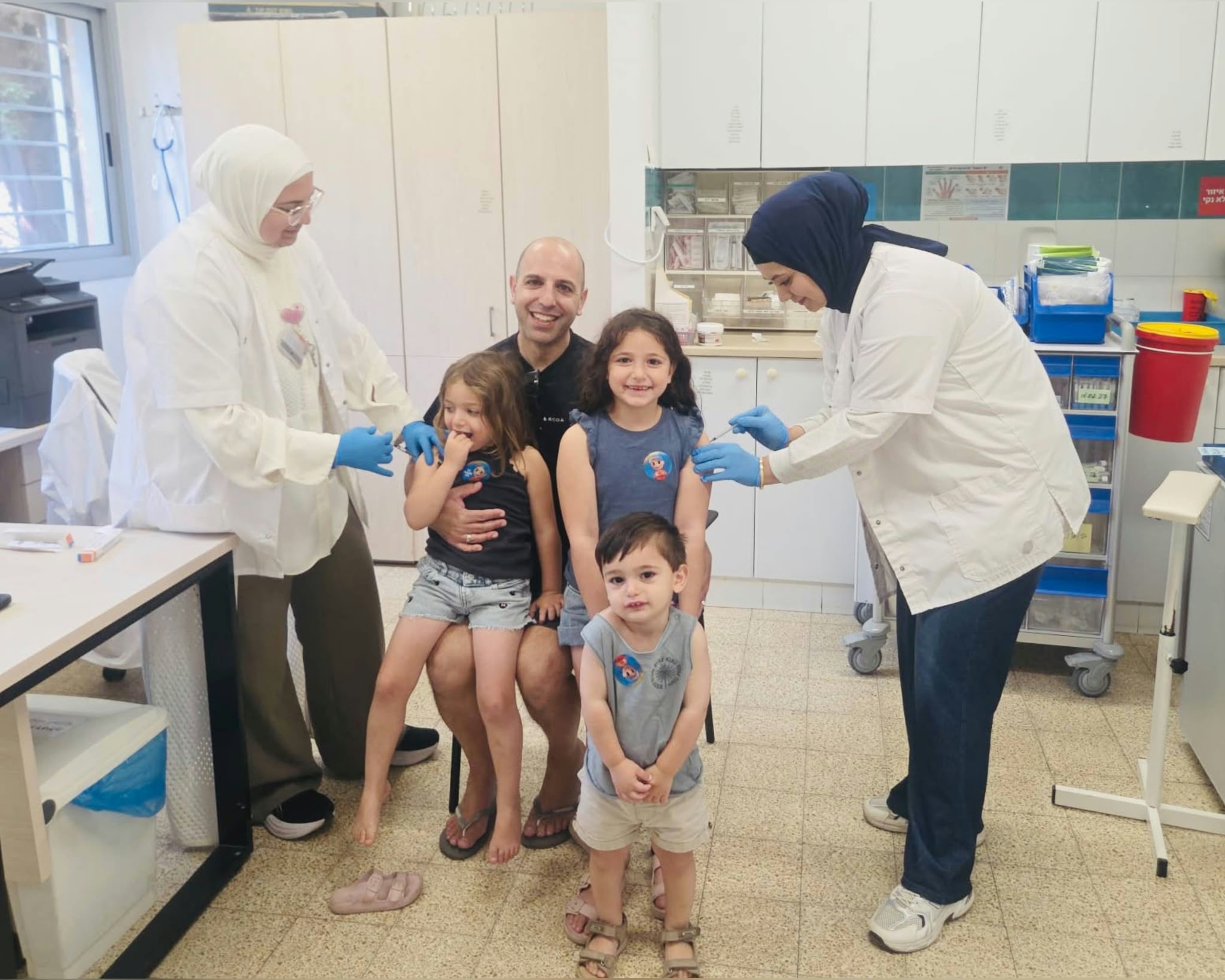
Clalit clinics in Jerusalem have already begun administering seasonal flu vaccines ahead of the winter. This year, Clalit ordered more than one million injectable doses, along with approximately 25,000 nasal-spray vaccines intended for people aged two to 49. The vaccine is offered annually because circulating influenza strains change and immunity declines over time. Influenza can lead to pneumonia, aggravation of chronic illnesses, hospitalization and, in severe cases, death, particularly among high-risk populations.
How many Jerusalem residents actually get vaccinated against the flu?
There is no single current figure that reliably represents the flu vaccination rate among Jerusalem’s entire population. Israeli studies, however, have repeatedly pointed to substantial differences between population groups.
Research among ultra-Orthodox parents in Israel has found relatively low influenza vaccination rates among both adults and children. Other Israeli studies focusing on young children have also identified low uptake and significant disparities between different communities. These figures should not be treated as representative of all Jerusalem residents, but they highlight one of the challenges facing a city with large ultra-Orthodox populations.
Why is increasing flu vaccination in Jerusalem particularly difficult?
Research suggests that the issue is more complicated than simple “vaccine refusal.” Alongside concerns about vaccine safety or doubts about the need for an annual shot, practical barriers also play a role: large families, busy schedules, difficulties reaching clinics and a lower sense of urgency surrounding a seasonal vaccine.
In Jerusalem, these factors can have particular significance. When lower vaccination rates meet dense neighborhoods, large schools, religious institutions and communities with extensive daily social contact, the virus has more opportunities to move quickly from person to person.
Ahava Nachmani, Nursing Manager at Clalit’s Moshava Clinic in Jerusalem, said: “This is the time to choose the health of your children and your entire family. The flu vaccine is safe and effective, and reduces the risk of illness and complications from the disease.”
How does Jerusalem compare with flu vaccination targets worldwide?
Health systems around the world struggle to achieve high influenza vaccination rates among all target groups. For years, a benchmark of roughly 75% vaccination has been used for older adults and certain high-risk populations, yet many countries continue to fall short.
Jerusalem is therefore not unusual in facing difficulties with flu vaccine uptake. What makes the city different is its demographic structure: it is relatively young, densely populated, home to many children and divided into highly distinct communities. In such a setting, the success of a vaccination campaign is measured not only by the number of doses administered, but by whether healthcare providers succeed in reaching the populations where vaccination rates remain lowest.