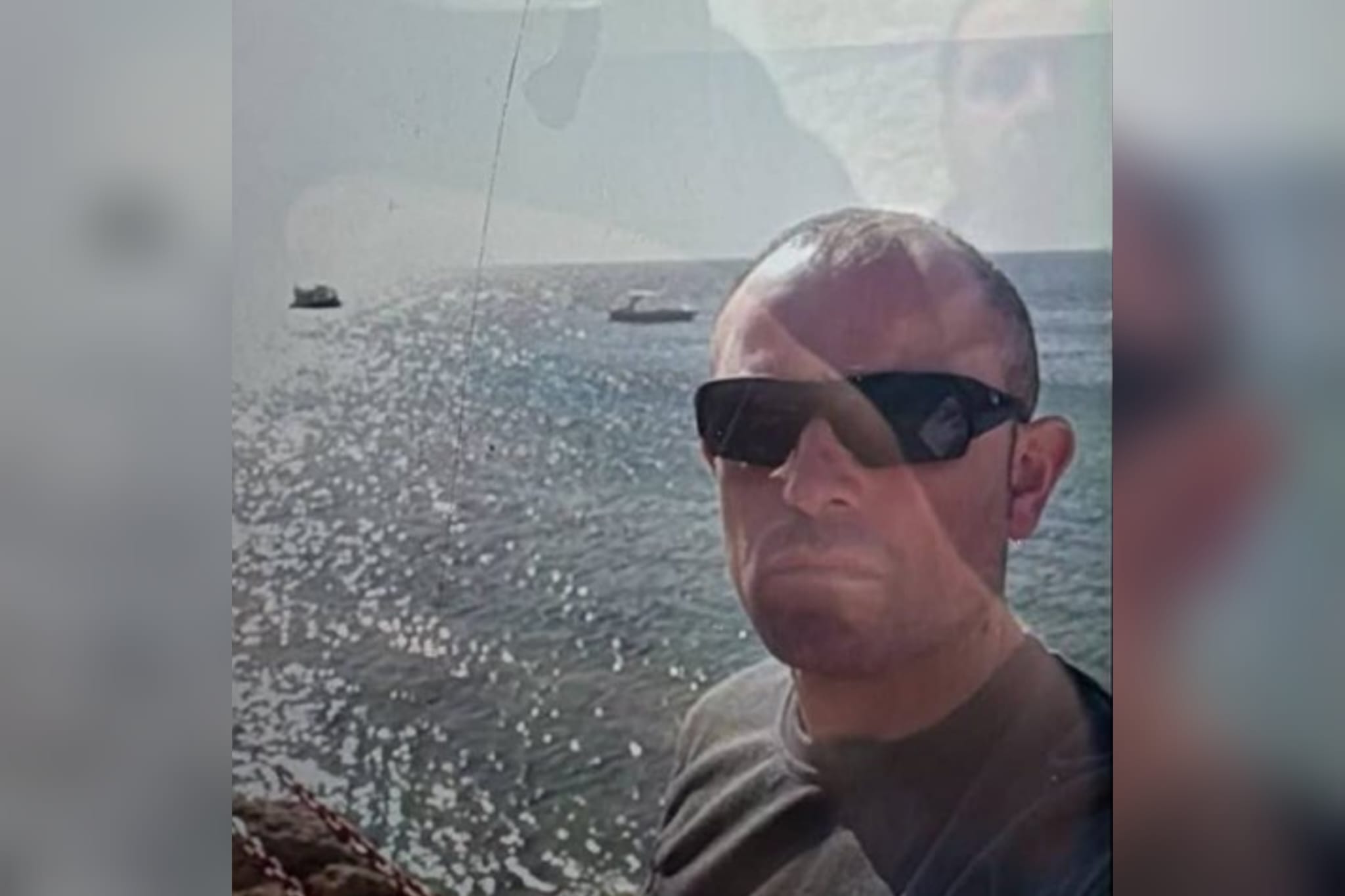
For four months following a shooting incident in the Qalandiya refugee camp, Israel’s security establishment was unable to determine whether Sufian Abu Lil, a resident of Kafr Aqab on the outskirts of Jerusalem, who was killed and whose body was seized, had allegedly been involved in terrorism. In the absence of a substantiated official position, the Supreme Court ordered that his body be returned to his family for burial. His funeral was held in East Jerusalem on Sunday.
Was Abu Lil allegedly involved in terrorism, or was he an innocent passerby who was mistakenly shot? That question stood at the center of a legal and security drama that lasted nearly four months and came to an end with the Supreme Court’s ruling and the transfer of his body for burial.
Why Was Sufian Abu Lil’s Body Withheld for Four Months?
The incident occurred on March 27, 2026, during an operational activity by security forces in the Qalandiya refugee camp. During the operation, disturbances broke out in the camp and stones were thrown at the forces. The forces opened fire, injuring Abu Lil, 46, a resident of Kafr Aqab in East Jerusalem. He later died of his wounds.
While his family maintained from the outset that he was an innocent man who had been shot while leaving a restaurant, the security establishment seized the body and held it in order to examine the circumstances of the shooting and determine whether there were grounds to retain it as a bargaining chip under the policy of withholding the bodies of terrorists?
Because of the delay in returning the body, the family filed a petition with the Supreme Court. As the proceedings progressed, a complex picture emerged: state representatives acknowledged that a Military Police investigation had been opened into the circumstances of the shooting, but for months the security authorities were unable to provide an unequivocal answer to the central question – was the deceased allegedly considered a terrorist?
In the ruling, issued by Justices Daphne Barak-Erez, Alex Stein and Gila Canfy-Steinitz, the state was criticized. The justices noted that the state had repeatedly requested extensions without presenting a concrete position or a defined timetable. The Supreme Court ruled that the security authorities had no position determining that the deceased had allegedly been a terrorist, and therefore, in the absence of any other finding, the factual presumption that he was not a terrorist remained in place.
Where Was Sufian Abu Lil Buried in East Jerusalem?
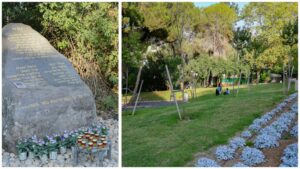
Following the order, the body was released on Sunday. The funeral procession was held in Jerusalem at Bab al-Sahira Cemetery, also known as Al-Mujahideen Cemetery, near Herod’s Gate and the walls of the Old City. This historic and central cemetery in East Jerusalem serves as one of the main burial sites for the city’s Muslim community and has previously been the scene of considerable security tensions surrounding sensitive funerals. Abu Lil’s funeral was held there under strict procedures and restrictions imposed by the security forces in order to prevent disturbances.