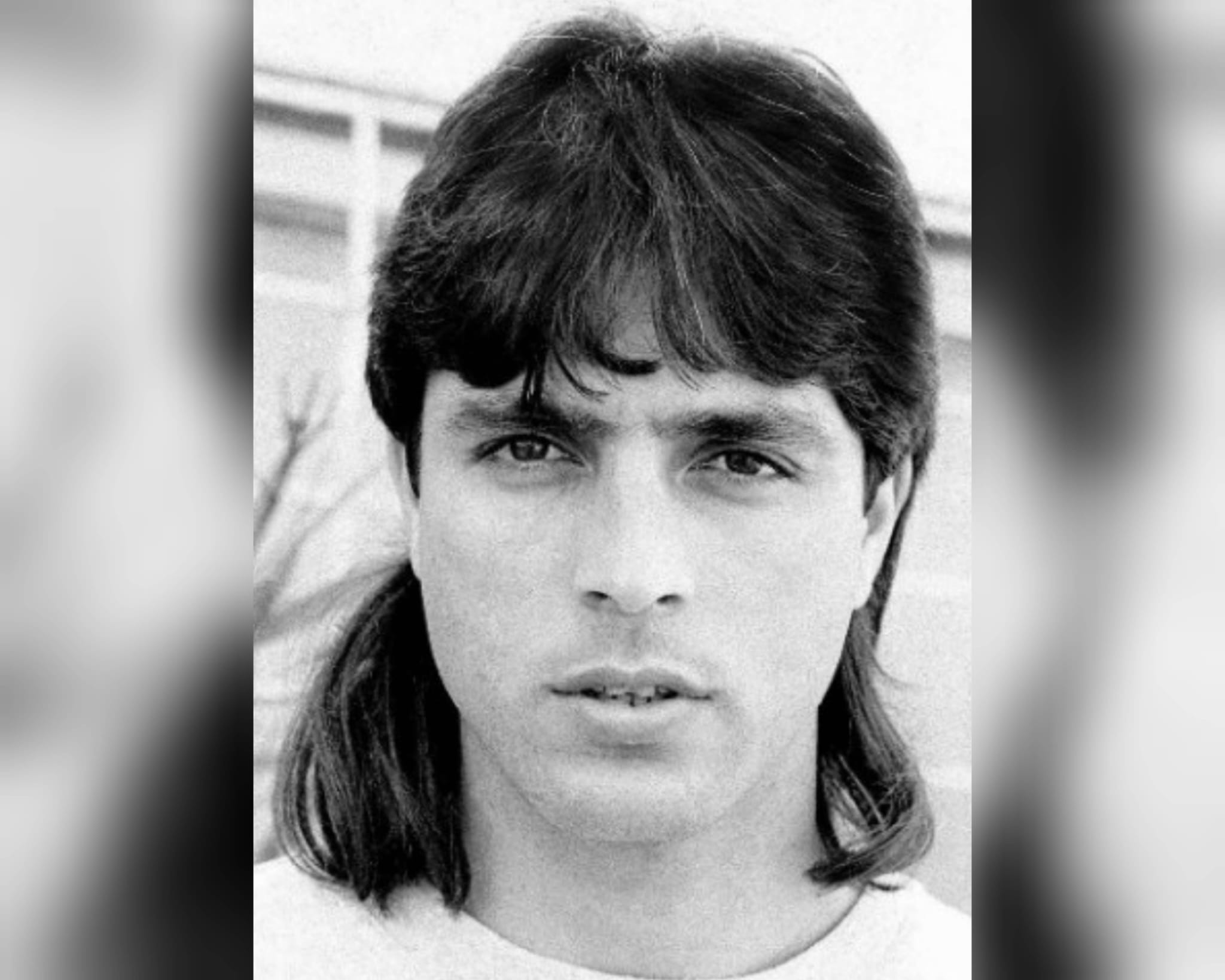
When a political party struggles in the polls, it can reconsider its direction, present a serious plan or send experienced public figures into the campaign. Likud, it seems, is considering another option: bringing in Eli Ohana. The man whose name generates almost automatic affection in Jerusalem could go from being Beitar’s star signing to Benjamin Netanyahu’s political reinforcement. It is unclear what parliamentary qualifications he brings, but in Likud even asking that question may already be considered tiresome.
According to reports, Likud figures have sounded out Ohana about the possibility of reserving him a high position on the party list ahead of the elections. Ohana himself clarified that as long as no official approach has been made, he has nothing to address. The reserved slot is therefore not yet a fact, but the fact that it is being considered says something about how Netanyahu intends to confront his party’s decline: fewer new ideas and more familiar names.
Why Could Eli Ohana Bring Votes to Likud?
Ohana, 62, is far more than a former footballer. For generations of Beitar Jerusalem supporters, he is an icon, a local hero and the boy from Kiryat Hayovel who reached the summit of European football. He played for Belgian club Mechelen, led Beitar Jerusalem, later coached and managed the club, and became one of the most recognizable figures in Israeli football.
Away from the pitch, he built a media career as a football commentator and television panelist, appeared in entertainment and reality programs, and starred in commercial campaigns. In 2015, there was already a brief attempt to bring him into politics when he was placed on the Jewish Home party list, only to withdraw within days. Benjamin Netanyahu is not necessarily looking for a legislator. He is looking for a brand that can be recognized in a second.
Is This an Insult to Voters’ Intelligence?
To a considerable extent, yes. The assumption behind such a reserved position is that affection born in the stands of Teddy Stadium can simply be converted into votes at the ballot box. As though goals, championships, advertisements and a famous name were substitutes for coherent positions, an understanding of parliamentary work or experience shaping public policy.
There is nothing inherently wrong with a sports figure entering politics. The problem begins when a candidate is selected not because of a worldview, knowledge or ability, but because pollsters believe his face might squeeze a few more seats out of the stands.
Is Ohana Really Less Qualified Than Likud’s Current Lawmakers?
This is where the joke becomes more complicated. It is easy to mock his possible candidacy, but much harder to claim that Likud’s current list sets an especially impressive standard. Ohana at least built a long career, operated under intense pressure, coached players and carried professional and managerial responsibility. He may not be suited to the Knesset, but next to some members of the existing lineup, he could suddenly appear almost statesmanlike.
Jerusalem is once again becoming a warehouse of symbols for Israeli politics. Netanyahu looks toward Beitar, identifies deep public affection and hopes it will be enough to cover for a party losing altitude. It is populist, desperate and perhaps even insulting. But given Likud’s current condition, Eli Ohana is not necessarily its biggest problem.