Books are not just a story. They are a mood, an escape, a memory and a longing. Such is, for example, “The Wind in the Willows” by Kenneth Grahame. Even those who have not opened it for years still remember the quiet river, the breeze among the reeds and the friends setting out on a small journey that turns out to be a great journey of life itself. These days, when reality is noisy, exhausting and complicated, many seem to be searching again for that gentle wind blowing between the pages of books.
Why does Hebrew Book Week still attract visitors in Jerusalem?
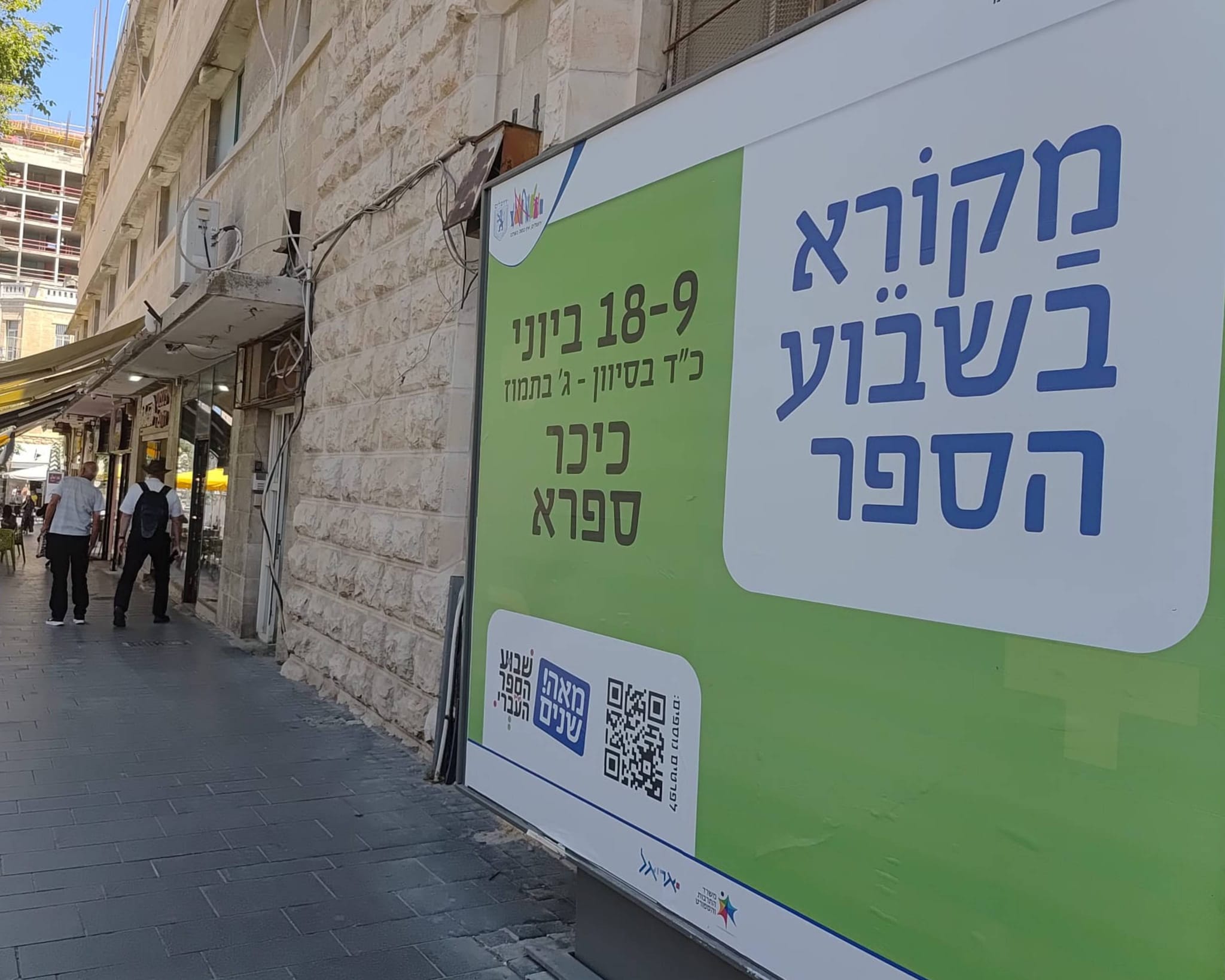
Against this backdrop, Hebrew Book Week will open on June 9, 2026 across Israel, including in Jerusalem. The event was founded at the initiative of publisher Bracha Peli. What began in 1926 as a modest book stall in Tel Aviv became one of Israel’s oldest and most beloved cultural events in several cities, with Jerusalem among the leading ones.
Almost a century later, in the age of TikTok and artificial intelligence, the book is still holding its ground. It offers something the digital world struggles to provide: quiet.
Safra Square in Jerusalem will once again host Hebrew Book Week. The book fair will include many genres, meetings with authors and literacy activities for the whole family. Major bookstore chains will offer discounts on a vast range of books, hoping that the “People of the Book” will take part.
What does reading give children and adults?
This is a time that raises thoughts about reading among adults and children. Reading is much more than a hobby. It calms, takes the reader to other worlds, enriches the mind and distances us from stormy reality into other spaces of time and place.
The children’s books many grew up on continue to raise questions years after adulthood. Is “A Flat for Rent” only a story about neighbors and a housing crisis, or a lesson in accepting others? Is “The Lion Who Loved Strawberries” only about personal taste, or about the fear of being different? And what does “Mitz Petel” reveal today about curiosity, identity and fear of the unknown? Children enjoy the plot, while adults discover an additional layer of meaning.
Important meaning is also found in illustrations that tell a story. Color, expression and small background details create a world that reveals further insights within the content.
And when standing before the abundance of books, with the choice becoming challenging, one question arises: should children be allowed to read anything they want? Is it right to limit certain content? This dilemma has accompanied parents and educators for years.
Hebrew Book Week excites those who love to read and sparks curiosity: What do writers, thinkers and cultural figures like to read themselves? Which children’s book did they love? Do they lend books to others? How is their private library arranged at home? At what hours of the day do they write, and when do they read? And how did they become creators and authors?
In fact, all the screens flooding human life today do not diminish the special magic between the pages, or their scent that awakens memory and imagination. “The Wind in the Willows” continues to blow even now, with Mole, Ratty, Weasel and Toad. A wind that draws readers into stories, adventures and the journey itself.