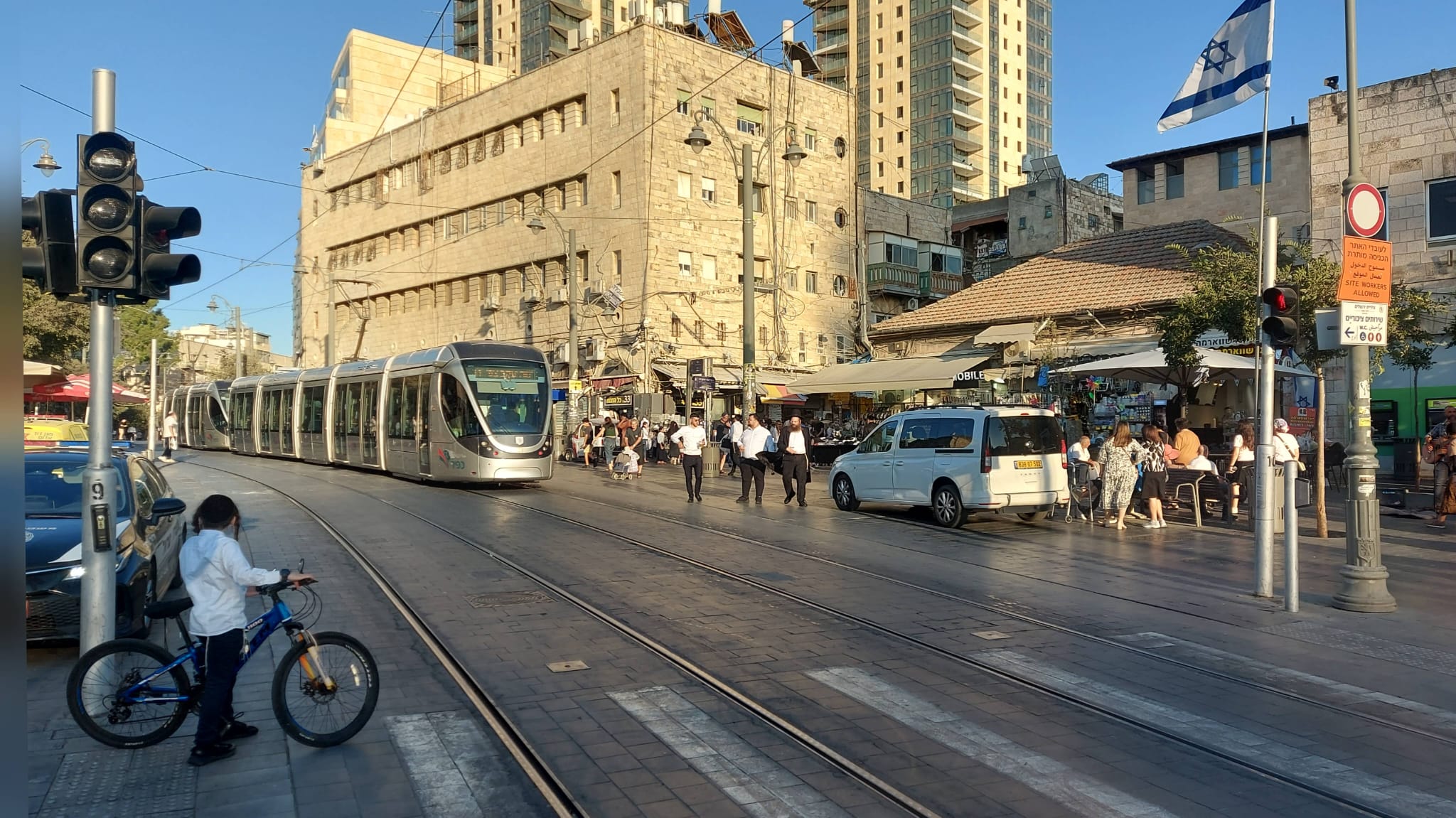
The arrival of the month of Av and the “Nine Days” can be felt at Mahane Yehuda Market in Jerusalem through different sounds and a slower rhythm. The weather is already hot in the early morning hours, the light rail stops nearby, and crowds, some of them touring the city, stream into the market’s alleys.
Along HaAgas, Etz Hayim and HaShaked streets, stalls are piled high with juicy grapes, cherries, lychees, apricots, plums, Anna apples, watermelons and melons. The vendors call out loudly, but anyone familiar with the usually bustling and cheerful market knows that something in the air feels different. It is not only the summer heat. The month of Av is making its presence felt.
How Do the Nine Days Change Mahane Yehuda Market in Jerusalem?
Every year, with the beginning of the month of Av and the “Nine Days,” the pulse of Mahane Yehuda Market also changes. For Jerusalem’s traditional and observant residents, this is a period of restraint and relative quiet ahead of the fast of Tisha B’Av, the day of mourning for the destruction of the Temple. Many refrain from eating meat and poultry during the weekdays and instead choose vegetables, fruit and dairy products.
The change is clearly noticeable among the stalls. Falafel shops, bakeries and vegetarian food stands enjoy lively business, while some restaurants and cafés lose a little of the familiar summer evening bustle. Local pubs also experience quieter days out of respect for the customs of the period.
Jerusalem’s hot summer also creates a simple commercial rule: sell quickly and early. Fruit vendors know that every hour in the sun affects the freshness of their produce, so special offers begin in the morning and crates are emptied before the afternoon. Who has heard of a kilogram of cherries for 15 shekels?! Crowds gather around the stall offering this rare cherry-colored treasure. One shopper calls to a friend walking away and explains that she had visited a cherry-picking site in northern Israel that week, where one kilogram cost 40 shekels.
Why Are Jerusalem Shoppers Postponing Purchases Until After Tisha B’Av?
Food is not the only thing changing the face of the market. Clothing and kitchenware shops wait patiently. Many people postpone buying new items until after Tisha B’Av, in keeping with tradition.
In religious bookshops, the Book of Lamentations is placed prominently at the front of the shelves. The scroll, traditionally attributed to the prophet Jeremiah, is read on the night of Tisha B’Av and mournfully describes the destruction of Jerusalem and the Temple. It serves as a reminder that Jerusalem is a vibrant city that also carries an ancient memory of loss.
At the end of the Nine Days, Mahane Yehuda Market will return to being a lively commercial and tourist center. Cafés, restaurants and nightlife will once again bring joy to visitors. For now, everyone encounters a more restrained and distinctly Jerusalem market, one that connects commerce with tradition, the scents of summer with historical memory, and the Jerusalem of today with the Jerusalem of the past.
Dates on the Hebrew calendar change the shopping basket. Tradition weaves together memory, faith and taste. This is the culture of Mahane Yehuda Market, which lays out the produce of Mother Earth, just as the culture of the Jewish people is preserved among the pages of books and history.