A country that starves education of values, general knowledge and critical thought cannot act surprised when the street fills with people who do not know how to cope with anger, rejection or conflict. A government in which many ministers appear to view public office as a job, a stage or political spoils rather than a mission sends a clear message from above: power matters more than responsibility. A public that continues to elect the same leadership and the same patterns repeatedly gives them legitimacy.
At the bottom of this chain, a generation is growing up fluent in short videos, public humiliation and profanity, yet barely exposed to philosophy, literature, history or serious discussion about the meaning of life. When vocabulary is reduced to abuse and gutter language, the ability to resolve conflict through words also begins to disappear. Violence does not suddenly erupt out of nowhere. It develops in a culture that gradually loses its restraints, its shame and its ability to recognize the humanity of others.
What happened inside the apartment in Jerusalem’s Nahlaot neighborhood?
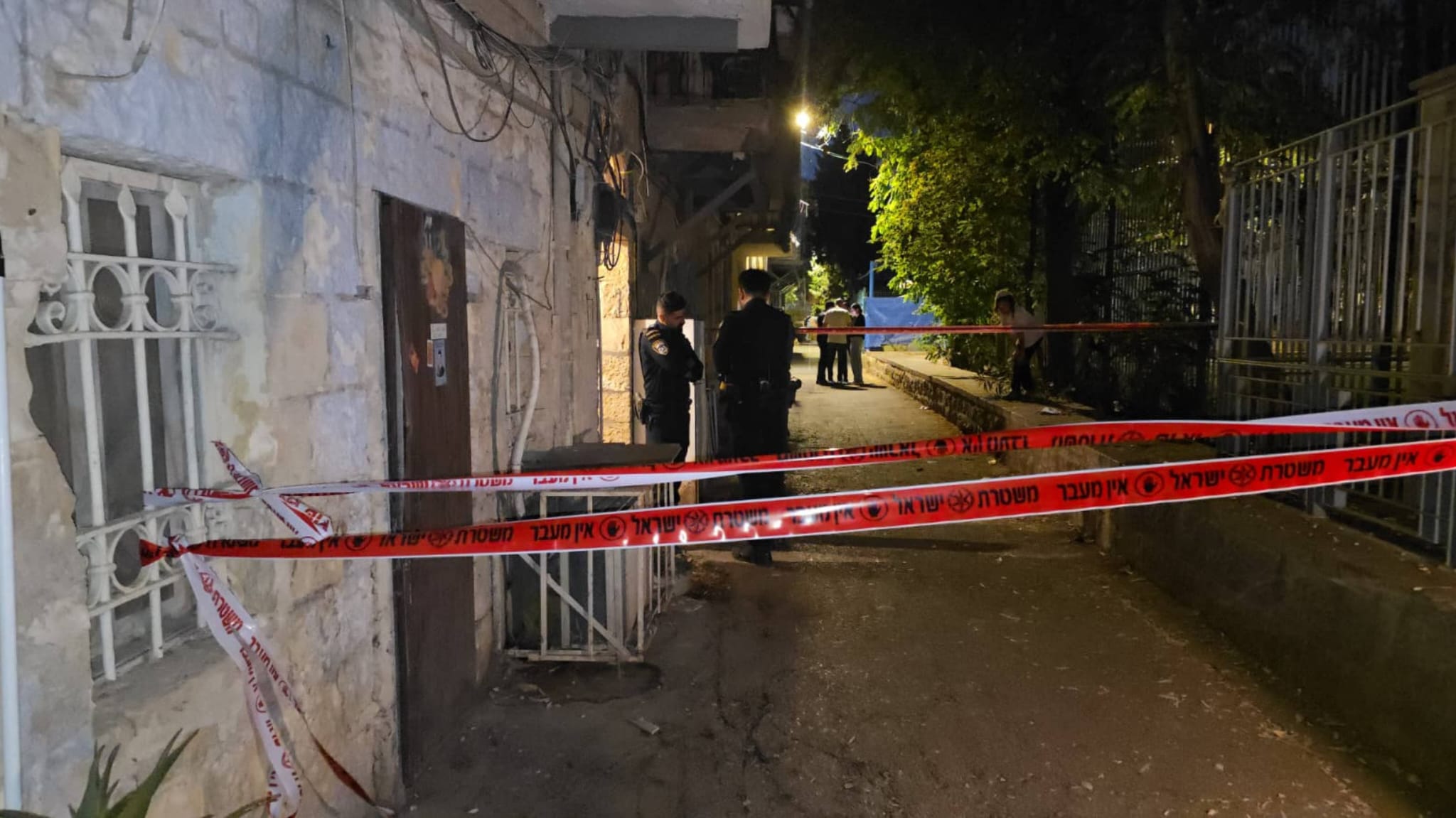
Nineteen-year-old Benayahu Razi, from Givat Ze’ev, was stabbed to death in a rented apartment in the Nahlaot neighborhood. Police arrested six suspects, including minors and young women. At this stage, the court has found reasonable suspicion regarding the alleged involvement of Razi’s former girlfriend in the events preceding the killing.
According to the suspicion being investigated, the former girlfriend and her friend waited outside the apartment and watched what was happening inside through a live video broadcast. Both deny the allegations, and none of the claims has yet been proven in court.
Those details turn the case into something larger than a confrontation that spiraled out of control. Should the suspicions prove accurate, the violence was allegedly transformed into content. People were not only harmed, but filmed, broadcast and watched. The screen did not stop the cruelty. It may have provided it with an audience.
How does a weakened education system leave the streets without restraints?
No study can establish that a specific educational failure caused this particular murder. Research does show, however, that meaningful relationships with schools, responsible adults and the wider community can protect young people from involvement in violence.
An OECD report on children in Israel pointed to deep inequalities in education, welfare and opportunity, while international public-health research has repeatedly linked a strong sense of school belonging with lower levels of violent behavior and other risks.
Education is not measured only through mathematics grades or matriculation certificates. It is also the ability to understand consequences, regulate emotion, recognize another person’s pain and accept that rejection is not humiliation requiring revenge. When those skills are not taught at home, at school or in the public sphere, the vacuum is often filled by social-media performances, threats and force.
What can Jerusalem learn from Baltimore?
The comparison with Baltimore does not mean that the two cities are identical. Baltimore has faced decades of concentrated poverty, segregation, weakened community institutions and high levels of violent crime. Researchers there have examined the connection between neighborhood cohesion, trust among residents, access to education and the ability of communities to prevent violence before police intervention becomes necessary.
Baltimore has also recorded reductions in killings through policies combining law enforcement with personal mentoring, employment programs, social services and targeted support for young people at risk. The lesson is not that Jerusalem is becoming Baltimore, but that violence flourishes where public institutions withdraw and where humiliation, alienation and despair become normal.
That is the warning for Jerusalem and for Israel. Police can arrest suspects and prosecutors can file indictments, but neither can repair a society that is becoming brutalized. Without serious education, responsible adults, leadership that demonstrates restraint and communities willing to set boundaries, the next murder begins long before the first emergency call is made.