Ordinary crime in Jerusalem often receives far less attention than the city’s security tensions. Terror attacks, nationalist friction, demonstrations and clashes around holy sites dominate the headlines, while another daily reality continues beneath them: drug trafficking, brief roadside transactions and networks of sellers, intermediaries and customers. Residents of East Jerusalem and communities around the capital sometimes connect with buyers and other figures in West Jerusalem, in encounters where national identity is pushed aside in favor of quick money.
Poverty, a shortage of well-paying jobs, the high cost of living, school dropout and a lack of prospects do not turn people into criminals. They can, however, create fertile ground for an illegal economy, particularly in a city where enormous social and economic gaps exist between nearby neighborhoods. Unlike Jerusalem’s politics, the drug market is not interested in religion, nationality or ideology. It needs only a seller, a buyer, a price and a meeting point.
What do drug deals on Jerusalem’s streets look like?
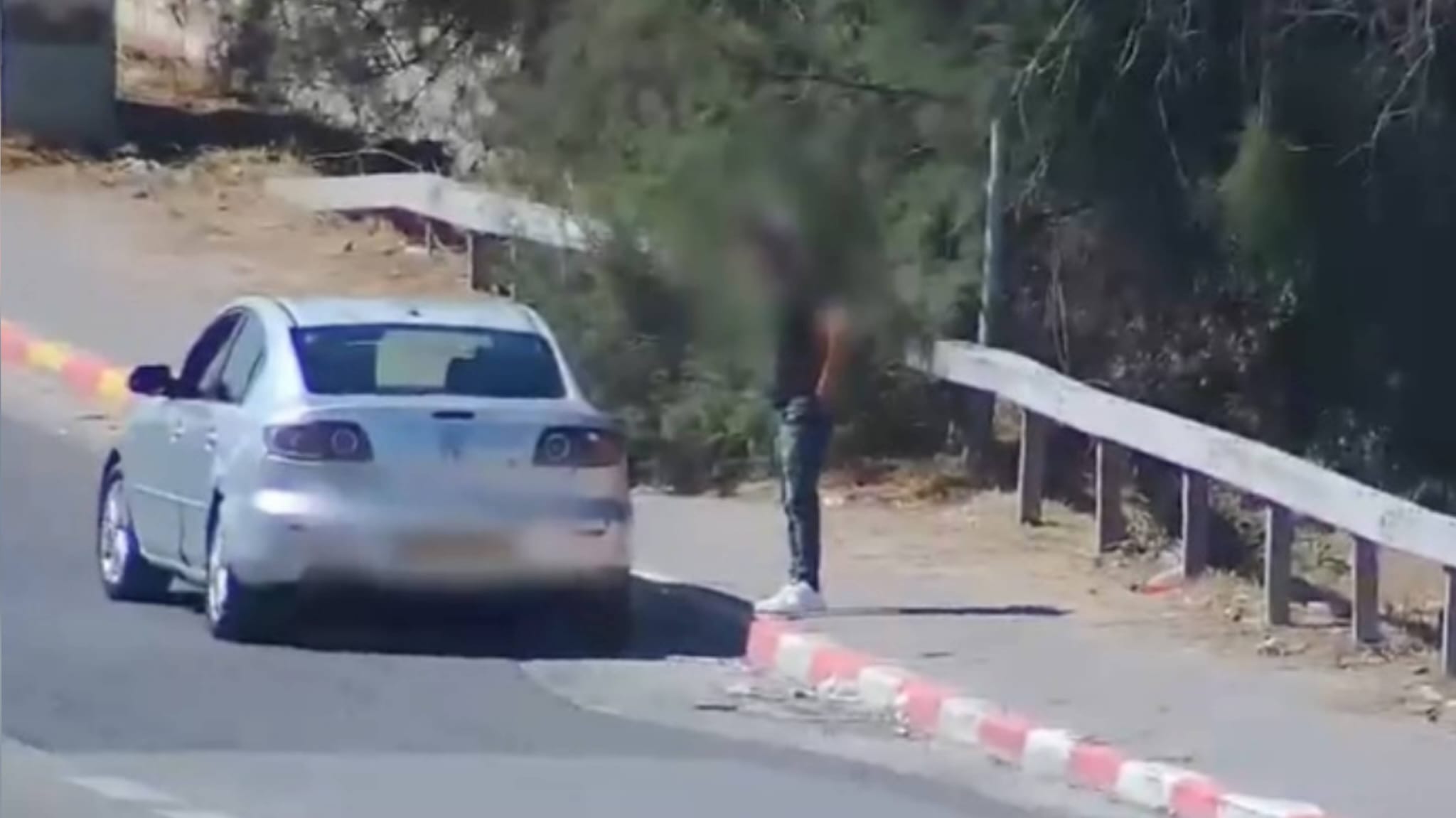
An illustration of this reality emerged during an operation conducted over the past two weeks by detectives from the Shalem police station, together with the “Mabat Jerusalem” surveillance and control center. According to police, detectives observed a suspect allegedly carrying out several transactions with different customers.
The footage does not show a dark alley or a dramatic crime scene. A car is seen stopping beside the pavement while a person stands nearby in what appears to be an ordinary and quiet urban setting. That apparent normality is precisely what demonstrates how easily a drug deal can blend into the rhythm of the street, last only moments and disappear from public view.
Detectives arrested the suspect, a 31-year-old resident of the East Jerusalem neighborhood of At-Tur. A search of his body uncovered substances suspected of being drugs, allegedly concealed on him and held in quantities not intended for personal use. He was taken for questioning at the Shalem police station.
Can crime connect populations divided by conflict?
The phenomenon is not unique to Jerusalem. In mixed cities and conflict zones around the world, organized crime has repeatedly crossed ethnic, religious and national boundaries. In Northern Ireland, the Balkans and mixed European cities, criminal networks have included people from rival communities whenever cooperation offered financial gain.
The same logic may operate in Jerusalem. Jews and Arabs often live in separate social spaces, but the illegal market can create links that rarely exist elsewhere. Sellers, intermediaries and customers do not need to share an identity or worldview. A common financial interest is enough.
Why do most Jerusalem drug deals never make headlines?
Most drug transactions do not involve a victim who immediately files a complaint. They are uncovered through intelligence, surveillance and proactive police work, meaning many cases remain outside public view. The arrest involving the At-Tur resident offers only a brief glimpse into a broader and quieter phenomenon.
The Jerusalem District Police stated: “During operational activity conducted over the past two weeks, detectives observed the suspect allegedly carrying out several transactions with different customers. During a search of his body, additional substances suspected of being drugs were seized. According to the suspicion, they were concealed on his body and held in quantities not intended for personal use.”