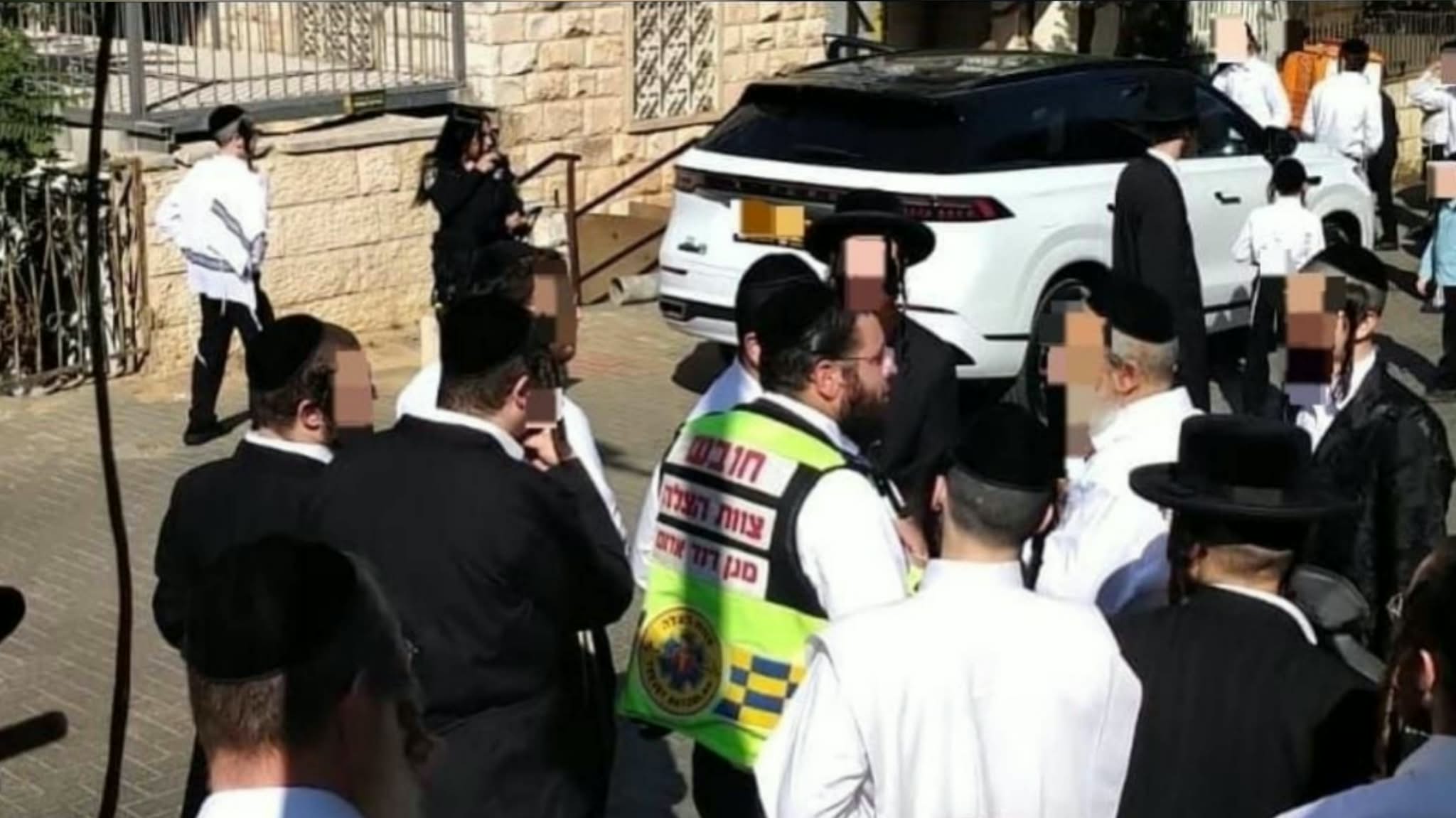
It does not take two cars to cause a serious road accident. Sometimes there is only one driver, one vehicle, one sudden deviation from the lane and one solid obstacle waiting at the roadside. During the summer in Jerusalem, that scenario becomes particularly troubling: more journeys, longer hours behind the wheel, heat, fatigue, heavy traffic and daily routines disrupted by the school vacation.
Then there is Jerusalem itself. A city where an ordinary drive can suddenly feel like an obstacle course: infrastructure works, narrowing lanes, barriers, temporary traffic changes, potholes, uneven road surfaces and drivers trying to understand at the last moment where the road is actually taking them.
Why do single-vehicle crashes in Jerusalem become a bigger problem in summer?
Summer changes driving patterns. Families travel more, young people are on the roads at unusual hours, drivers return from events and entertainment late at night, and the heat itself can be tiring and draining. Air conditioning does not eliminate fatigue, impatience or reduced concentration.
In dense urban traffic, a brief glance away from the road, a turn taken too sharply or a delayed reaction can be enough to mount a curb, strike a pole or lose control. For motorcycle and scooter riders, the margin for error is even smaller, and any obstacle in the road can make the consequences far more serious.
How do dug-up roads and infrastructure works affect driving in Jerusalem?
Jerusalem has been undergoing a major infrastructure transformation in recent years, but drivers often pay the price during the transition. Streets are dug up, lanes are redirected, familiar roads suddenly look different, and motorists are forced to relearn routes they may have known for years.
That does not mean every single-vehicle crash is caused by roadworks, but a constantly changing road environment increases the amount of information a driver must process. At night, when visibility is poorer, or for someone unfamiliar with the area, a small mistake can quickly end at the curb, a barrier or a wall.
How can Jerusalem traffic jams end in a single-vehicle crash?
A traffic jam may seem relatively safe because vehicles are moving slowly, but it wears drivers down. After a long stretch of crawling traffic, an open section of road can suddenly appear, and some drivers instinctively accelerate, overtake or try to “make up” the time they have lost. Frustration rises, patience falls and concentration is no longer at its best.
And when something does go wrong, the city is unforgiving. Curbs, poles, barriers, walls, bus stops and trees can be only a few meters from the roadway. That is why even a crash involving no other vehicle can end in serious injury. In a Jerusalem summer, sometimes all that separates an ordinary drive from an emergency scene is a single second.