Jerusalem is not the first city that comes to mind when thinking about solar energy. It is dense, historic, crowded with old buildings, public institutions, schools, markets and protected urban spaces. But above the streets, another layer of the city is gradually taking shape: solar rooftops.
According to data from Israel’s Ministry of Energy and Infrastructure and the Survey of Israel, Jerusalem now has about 30 megawatts of installed solar capacity. That is an increase of about 7 megawatts compared with the previous 2024 publication, and it moved the city to fifth place nationally among municipalities with more than 100,000 residents. Last year, Jerusalem ranked 15th.
The ranking is only part of the story. The more interesting part is the new research tool behind the data: an advanced dashboard that analyzes aerial photographs with the help of artificial intelligence. Unlike earlier estimates, the system is designed to show a more precise picture of where solar panels can actually be installed, down to the level of a single building.
How is Jerusalem’s rooftop solar potential measured?
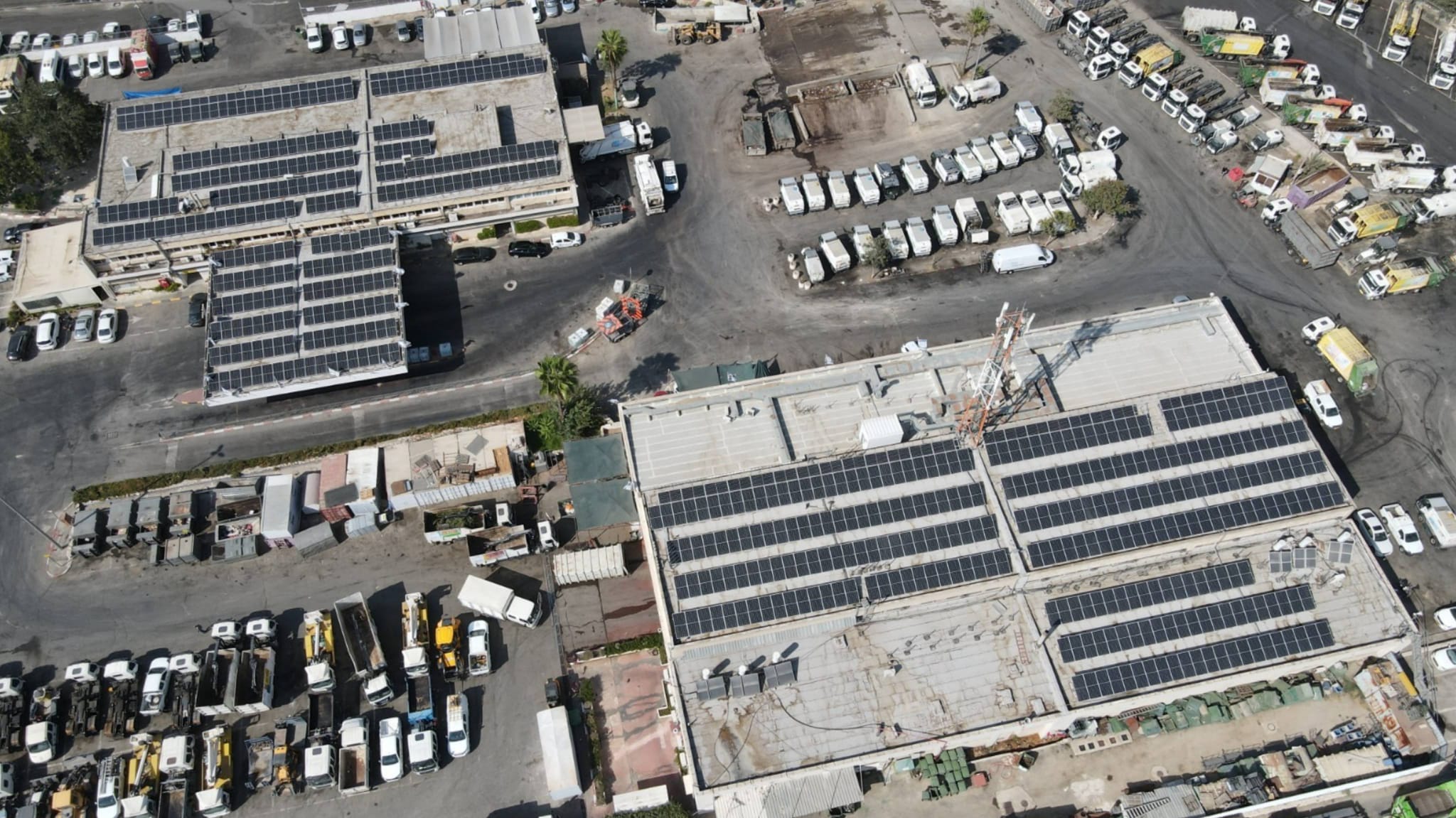
The new data is based on advanced mapping of the built environment. Improved image resolution allows researchers to identify not only available roof space, but also obstacles such as solar water heaters, existing equipment and other rooftop elements that reduce the real installation area.
In Jerusalem, the rise in installed capacity appears to come from two directions at once: more small residential systems, and better use of large rooftops. During the period reviewed, about 70 small and home systems were added in the city, with a combined capacity of about 1 megawatt. A larger increase came from bigger systems, mainly on roofs with installations above 50 kilowatts.
Why are public rooftops in Jerusalem becoming an energy asset?
The issue is not only environmental. A solar roof can become a source of income, reduce dependence on polluting energy, and help maintain functional continuity during emergencies. In a city like Jerusalem, where schools, municipal buildings, public institutions, parking lots and large urban compounds are spread across many neighborhoods, each suitable roof can become a productive energy space.
Nationally, the new dashboard points to about 17 gigawatts of potential solar production on rooftops across Israel, and about 3.5 additional gigawatts through solar shading over public areas such as parking lots, sports fields, public transport terminals and cemeteries.
The question now is how much of that potential will become real clean electricity, and how quickly Jerusalem will continue turning the roofs above the city into part of its energy future.