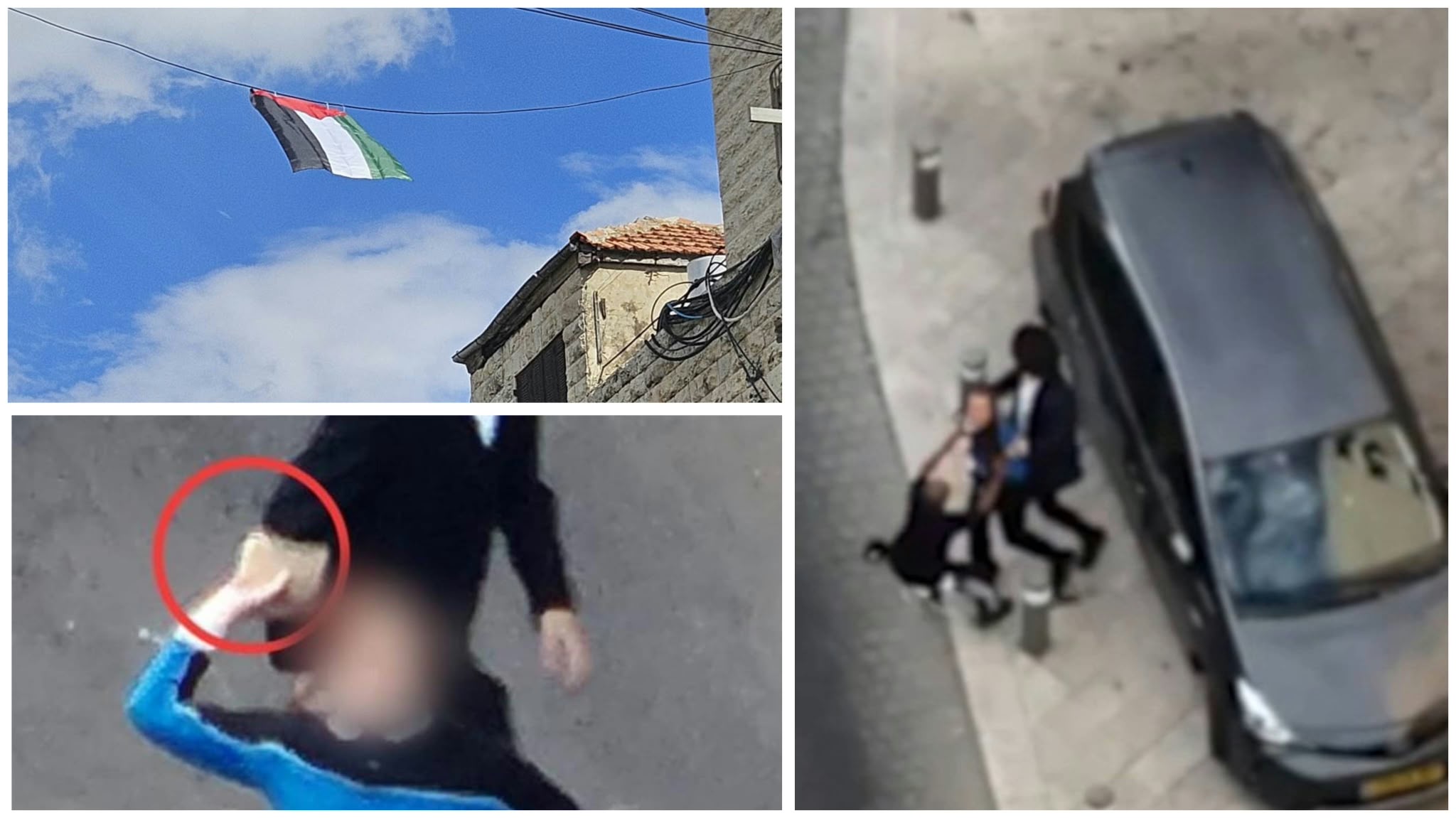
Mea Shearim is an ultra-Orthodox neighborhood in the heart of Jerusalem, and one of the places most strongly associated with hardline Haredi opposition to Zionism and military service. As Israel heads toward elections amid fierce debate over the draft law, exemptions and the arrest of ultra-Orthodox draft evaders, some groups in the area go much further: they not only reject service in the Israeli army, but openly reject Zionism and the State of Israel itself.
The elections for Israel’s 26th Knesset are scheduled for October 27, 2026, while the ultra-Orthodox draft remains one of the country’s most divisive political and social issues. In the background is also the September Supreme Court ruling that struck down legislation temporarily barring the arrest of ultra-Orthodox men who failed to report for military service.
But in Mea Shearim, at least among its most extreme anti-Zionist circles, the dispute is not merely about whether a young Haredi man should wear a uniform. It reflects a much deeper rejection of the Israeli state, its symbols and the Zionist idea itself. And when Palestinian flags appear in the public space of an ultra-Orthodox neighborhood in Jerusalem, it becomes difficult to separate that image from the wider national debate over Haredi enlistment.
What Is the Connection Between Mea Shearim, the Ultra-Orthodox Draft and Palestinian Flags in Jerusalem?
In recent days, officers from Jerusalem District Police’s Lev Habira station, Jerusalem riot police and municipal inspectors operated in the neighborhood to remove Palestinian flags and erase Palestinian flag graffiti painted on walls in public areas.
According to Jerusalem District Police, several rioters began throwing stones and other objects at the forces during the operation. A minor suspected of throwing stones was arrested by undercover police detectives operating among the rioters. Later, after disorderly protesters gathered around a female police officer, two additional 16-year-old suspects were arrested.
All three suspects were taken for questioning, while police said both overt and covert operations were continuing to locate additional people allegedly involved.
Jerusalem District Police stated: “The Israel Police views with great severity any attempt to harm civilians, police officers and law-enforcement personnel who arrive to carry out their duties. The police will continue to act firmly, with a heavy hand and zero tolerance against anyone who acts violently, disturbs public order or attempts to harm security forces.”
And that is where the contradiction becomes difficult to ignore. The state is struggling to bring more ultra-Orthodox young men into its military framework, while in some of the most radical corners of Mea Shearim, it is not only the IDF that is rejected, but Israeli and Zionist identity itself. Someone who raises a Palestinian flag in the heart of Jerusalem is no longer arguing only about an exemption from military service. He is confronting the state with a much sharper question of loyalty, identity and belonging.